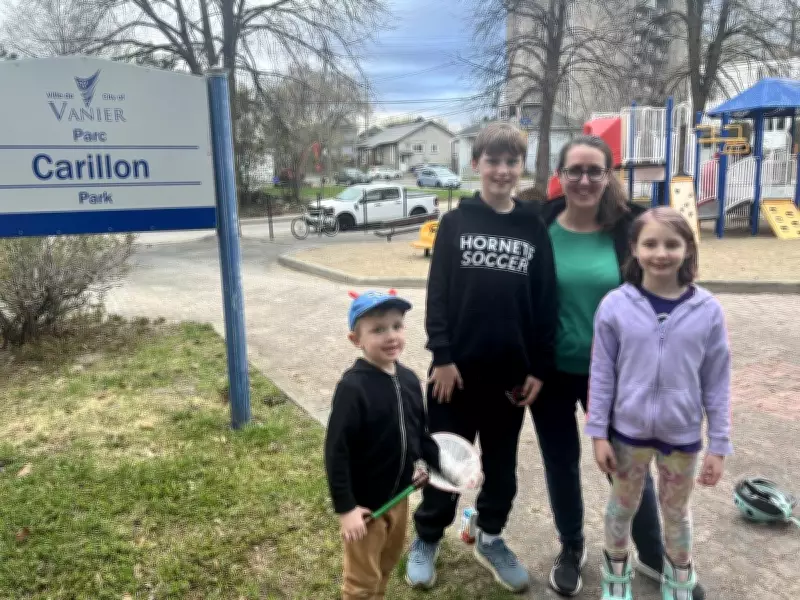
A park in Vanier is set to be transformed into Ottawa's first "sponge park" in the coming years, marking a significant step in the city's climate adaptation efforts. Carillon Park, located at the intersection of Carillon Street and Park Street, will undergo a comprehensive renovation that prioritizes water absorption and natural drainage.
Currently, the park features a colorful play structure in a large sandpit, surrounded by interlocking pavement that is uneven in places. A small hole near the fence reveals the dirt beneath the pavement. As the park approaches its renewal date, plans call for a modern makeover that includes water-permeable surfaces and a brand-new splash pad.
What Is a Sponge Park?
Sponge parks are designed to manage rainfall naturally by allowing water to seep into the ground, reducing the burden on storm drains and wastewater treatment systems. They use permeable surfaces, rain gardens, and bioswales—shallow ditches filled with water-loving vegetation—to slow and absorb runoff.

"It's a way to make our cities more resilient against climate change," said Rideau-Vanier Coun. Stéphanie Plante. She first encountered the concept at the UN Biodiversity Conference (COP 15) in Montreal in 2022, where she learned about Montreal's seven sponge parks and 800 sponge sidewalks. Montreal had adopted these measures after experiencing several floods in recent years.
Plante noted that Vanier has also faced flooding issues, making the sponge park idea particularly relevant. Currently, rainwater at Carillon Park simply runs off into the street and into the sewer system, contributing to overwhelmed stormwater infrastructure.
Community and Expert Perspectives
Debby Baker, chair of the Vanier Community Association's beautification committee, welcomed the initiative. "One of the issues we've heard at meetings is that the stormwater system is being overwhelmed," she said. "Building parks that act as big sponges can reduce runoff and improve drainage across the city."
McGill environmental engineering professor Jim Nicell explained the benefits: "One sponge park will do some good, but the idea is to design many elements of an urban community to do that across the board." He emphasized that sponge parks not only allow water to permeate the ground but also slow its flow when saturation occurs, gradually releasing excess water into the sewer system or allowing it to soak through the ground.
At Carillon Park, the large sand area will be replaced with engineered wood fibre, which absorbs water more effectively. However, a small sandbox will remain due to its popularity with children, according to Maxime Basque, municipal policy and affairs assistant for Rideau-Vanier.
The transformation of Carillon Park represents a pioneering effort for Ottawa, setting a precedent for future urban green spaces designed to combat flooding and enhance environmental sustainability.