First-of-Its-Kind Salamander Tunnels Built for Road Crossing in Richmond Hill
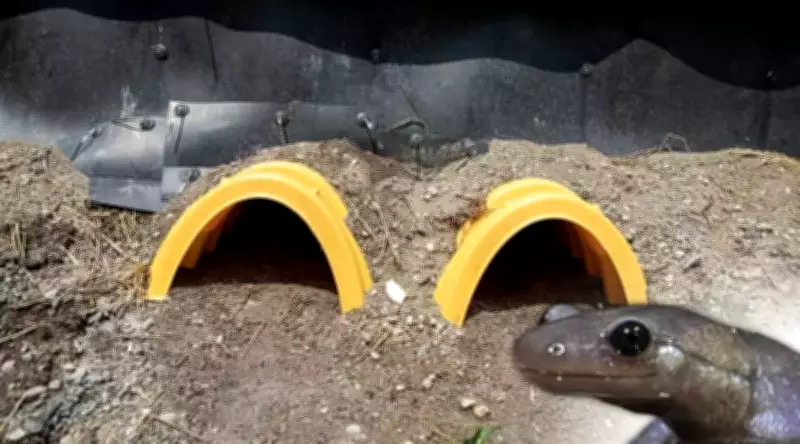
In a groundbreaking initiative for urban wildlife conservation, the city of Richmond Hill, Ontario, has completed construction of specialized tunnels designed specifically to allow endangered Jefferson Salamanders to safely cross roadways during their critical migration periods. This innovative infrastructure project represents a significant advancement in protecting vulnerable amphibian populations from vehicle collisions.
Protecting an Endangered Species
The Jefferson Salamander, a species listed as endangered in Ontario, faces particular challenges during its annual breeding migrations when individuals must traverse increasingly developed landscapes. These salamanders typically emerge from their winter hibernation sites in early spring, often during rainy nights, and must navigate across roads to reach their breeding ponds. This journey has historically resulted in substantial mortality rates as vehicles inadvertently crush the slow-moving amphibians.
The newly constructed tunnels provide a safe underground passage beneath the roadway, allowing the salamanders to complete their migration without encountering traffic. The design incorporates specific features tailored to amphibian behavior, including appropriate dimensions, substrate materials, and moisture levels that encourage use by the target species.

Engineering for Wildlife
The tunnel system represents a collaborative effort between municipal authorities, environmental consultants, and conservation biologists. "This project demonstrates how urban infrastructure can be designed with biodiversity in mind," explained a representative from York Region's environmental services department. "By incorporating wildlife passage considerations into road planning, we can significantly reduce human-wildlife conflicts while protecting vulnerable species."
The construction involved:
- Strategic placement along known salamander migration corridors
- Installation of guide fencing to direct amphibians toward tunnel entrances
- Monitoring systems to track usage and effectiveness
- Native vegetation restoration around tunnel portals to create suitable habitat
Broader Conservation Implications
This project in Richmond Hill serves as a model for other municipalities facing similar challenges with wildlife-road interactions. As urban expansion continues to fragment natural habitats, such innovative solutions become increasingly important for maintaining biodiversity. The salamander tunnels not only protect individual animals but also help preserve genetic connectivity between populations that might otherwise become isolated by road barriers.
Early monitoring data suggests promising results, with numerous salamanders successfully utilizing the passages during recent migration events. Conservationists hope this success will inspire similar projects across Ontario and beyond, particularly for other amphibian species facing similar threats from road mortality.
The initiative aligns with broader environmental goals of creating more wildlife-friendly urban landscapes while addressing specific conservation needs of at-risk species. As climate change and development pressures continue to impact ecosystems, such targeted interventions may prove crucial for the long-term survival of vulnerable wildlife populations in increasingly human-dominated landscapes.