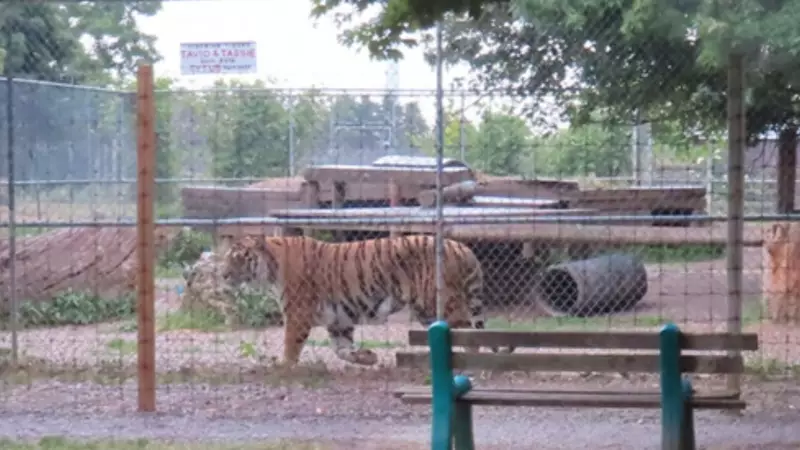
Animal cruelty charges have been dropped against a roadside zoo in Quebec, a development that comes amid a wider investigative series exposing the troubling realities behind some private animal attractions in Canada. The series, titled "Eyes in the Darkness: The Hidden Cost of Roadside Zoos," reveals that the true price of visiting these facilities often extends far beyond the cost of admission.
A Case Dismissed and a Race Against Time
The first part of the series details how animal cruelty charges were dropped against a Quebec roadside zoo, raising questions about enforcement and accountability within the industry. This legal outcome contrasts sharply with ongoing concerns highlighted in subsequent reports.
Simultaneously, a urgent situation is unfolding in Muskoka. Construction on a new facility continues through the winter, while advocates warn the clock is ticking to save a group of African lions reportedly destined for the site. The juxtaposition of a dismissed case and a potentially precarious future for big cats underscores the inconsistent landscape of animal welfare regulation.

Systemic Issues and a Glimmer of Hope
The investigation delves into the dangers of in-breeding, over-breeding, and general mistreatment that are prevalent in some poorly managed roadside zoos. These practices can lead to severe health and behavioral problems for the animals, who are often kept for profit rather than conservation or education.
However, a positive outcome offers a counter-narrative. In a significant rescue effort, nine lions were saved from a roadside zoo and have now found permanent homes at accredited sanctuaries in the United States. This successful operation demonstrates the potential for intervention and rehabilitation when animals are removed from substandard conditions.
The Broader Implications for Canada
The series, which began publication on December 19, 2025, shines a light on a niche but concerning sector of wildlife display. While not all private zoos operate unethically, the reports compiled by journalist Sarah Freemark point to systemic issues that can flourish without stringent oversight and public awareness.
The story extends beyond provincial borders, connecting Quebec's legal proceedings, Ontario's construction site, and cross-border rescue efforts. It challenges Canadians to look past the novelty of a roadside attraction and consider the welfare of the animals within.
As the series continues, with a fifth part promised for the coming Friday, it promises further examination of the complex ethical and regulatory environment surrounding wild animals in captivity. The dropped charges in Quebec are not an endpoint, but rather a starting point for a crucial conversation about responsibility, compassion, and the true cost of entertainment.