Rare White Squirrel Photographed in South Winnipeg Yard
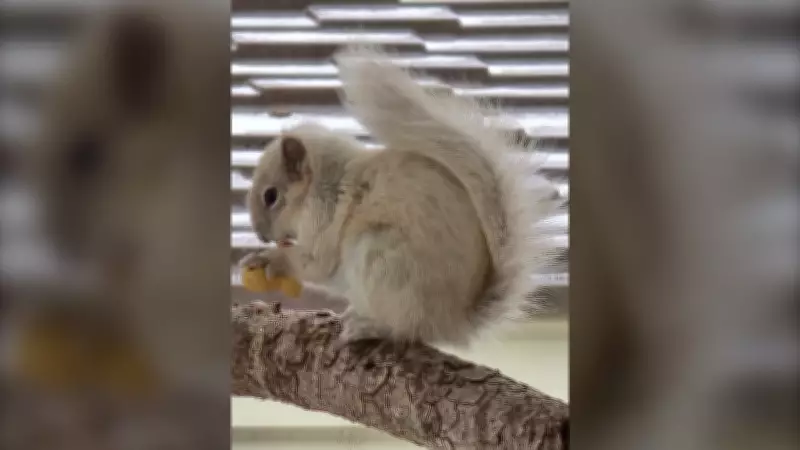
A rare white squirrel has been spotted and photographed in a residential yard in south Winnipeg, creating a buzz among local residents and wildlife observers. The unusual animal was captured on camera on March 25, 2026, by Roberta Rackal, who shared the close-up image showing the distinctive white fur of the squirrel against typical urban surroundings.
Uncommon Urban Wildlife Sighting
White squirrels are exceptionally uncommon in urban environments, with most squirrel populations displaying typical gray or brown coloration. The appearance of this white specimen in Winnipeg represents a notable deviation from the norm, prompting questions about its origins and genetic background. Wildlife experts suggest such coloration can result from either albinism or leucism, both of which affect pigmentation but differ in their biological mechanisms.
Albinism involves a complete absence of melanin, typically resulting in white fur and pink eyes, while leucism causes partial loss of pigmentation but usually preserves normal eye color. The Winnipeg squirrel appears to have white fur while maintaining typical squirrel eye coloration, suggesting it may be leucistic rather than albino.

Community Reaction and Scientific Interest
Local residents have expressed both surprise and delight at the unusual sighting, with many sharing the photograph through community networks and social media platforms. The squirrel has reportedly been visiting multiple yards in the neighborhood, allowing several residents to observe it firsthand.
"It's not something you expect to see in your backyard," said one area resident who requested anonymity. "At first I thought it might be an escaped pet, but it behaves exactly like a wild squirrel, just with this remarkable white coat."
Wildlife biologists note that while white squirrels occasionally appear in isolated populations, particularly in certain regions of North America, they remain exceptionally rare in Manitoba. The sighting provides an opportunity for researchers to document urban wildlife diversity and potentially track the animal's movements if it remains in the area.
Conservation Considerations and Urban Ecology
The appearance of this distinctive animal raises questions about urban wildlife adaptation and conservation. White coloration can present survival challenges for squirrels in natural environments where camouflage provides protection from predators. However, in urban settings with different predator pressures and abundant food sources, such animals may fare better than in wilderness areas.
Conservationists emphasize the importance of:
- Observing wildlife from a respectful distance
- Avoiding feeding wild animals, which can disrupt natural behaviors
- Reporting unusual wildlife sightings to local conservation authorities
- Maintaining habitat features that support urban biodiversity
The Winnipeg sighting coincides with increasing public interest in urban wildlife and biodiversity monitoring. As cities expand and natural habitats fragment, such unusual sightings remind residents of the wildlife that shares urban spaces, sometimes in unexpected forms.
Local naturalists encourage residents who spot the white squirrel to document their observations through photographs while maintaining appropriate distance to avoid disturbing the animal. The continued presence of this unusual squirrel may provide valuable insights into how rare color variations affect animal behavior and survival in urban ecosystems.