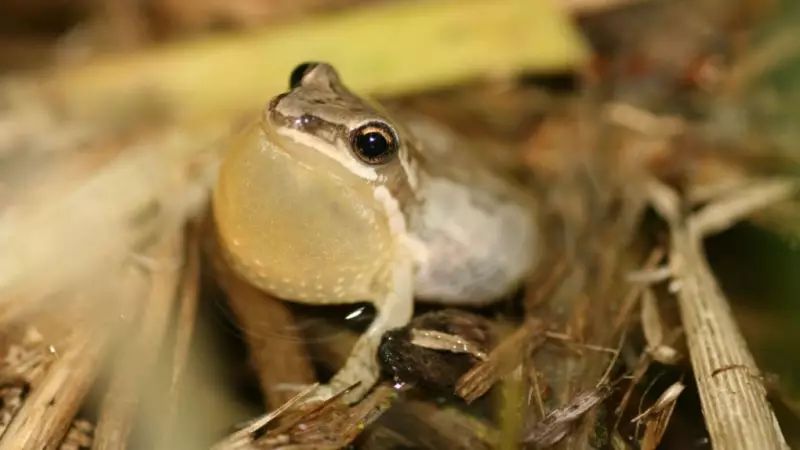
The government of Quebec has taken decisive action to safeguard the habitat of a threatened amphibian, announcing new protective measures for the western chorus frog in the regions of Montérégie and Outaouais. This move, confirmed on December 16, 2025, aims to counter the significant population decline the species has experienced due to widespread habitat loss throughout the St. Lawrence Valley.
A Species in Peril
Often recognized by its distinctive striped appearance and chorus of calls, the western chorus frog has seen its numbers dwindle alarmingly in recent decades. The primary culprit is the fragmentation and destruction of its natural wetland habitats, which are crucial for its breeding and survival. The new habitat protection order is a direct response to this ecological crisis, targeting specific areas identified as vital for the frog's recovery.
Focus on Key Regions
The protective measures are concentrated in two regions: Montérégie, south of Montreal, and Outaouais, in western Quebec near Gatineau. These areas contain some of the last remaining high-quality habitats for the species within the province. The government's intervention is designed to shield these zones from further development and degradation, providing a sanctuary where the frog populations can stabilize and potentially rebound.

This regulatory action follows years of monitoring and advocacy by environmental groups, including Nature Watch Canada, which has highlighted the frog's precarious status. The protection of these habitats is not only about saving a single species but also about preserving the health of the broader wetland ecosystems they inhabit.
Implications for Conservation and Development
The habitat protection order will have implications for land use and development projects in the designated areas. It establishes a legal framework to ensure that any future activities consider the conservation needs of the western chorus frog. This step aligns Quebec with broader Canadian and international efforts to halt biodiversity loss and protect species at risk.
Environmental scientists hail the decision as a necessary and timely one. They emphasize that protecting core habitats is the most effective strategy for preventing the local extinction of this amphibian. The success of this initiative will depend on ongoing monitoring, enforcement, and potentially, habitat restoration efforts in the coming years.
For residents of Montérégie and Outaouais, the announcement underscores the rich but fragile natural heritage in their backyards. It represents a commitment to balancing development with the long-term stewardship of Quebec's unique wildlife.