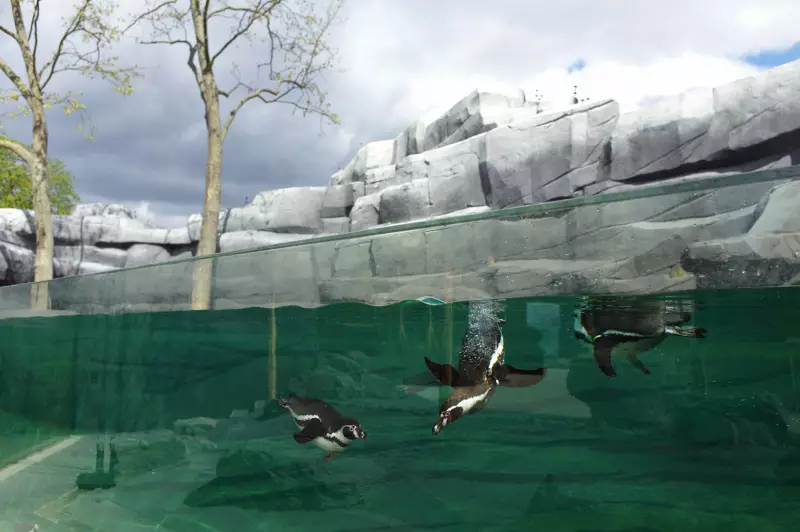
In a unique scene of animal healthcare, Humboldt penguins at a zoo in Paris are lining up to receive their vaccinations against avian influenza, commonly known as bird flu. The preventive measure highlights ongoing global efforts to protect vulnerable wildlife populations from the highly contagious virus.
A Preventive Measure for Penguins
The vaccination initiative is taking place at the Vincennes Zoo in Paris. The subjects are Humboldt penguins, a species native to the coasts of Chile and Peru. The image of these birds queuing for their shots, while anthropomorphized, underscores the careful logistical planning required by zoo veterinarians and keepers to administer healthcare to animal colonies.
The date of the report is December 05, 2025. While the original news item did not specify the exact start date of the vaccination program, it confirms the activity is currently underway. This action is a direct response to the persistent threat posed by avian influenza strains to bird populations worldwide, both domestic and wild.

The Global Context of Avian Influenza
Avian influenza has caused significant mortality in wild bird flocks and poultry farms across the globe in recent years. Zoos and conservation parks, which house collections of often rare and endangered birds, have implemented strict biosecurity protocols. Vaccination becomes a critical tool within these protocols, especially for species like penguins that are kept in groups and are therefore at higher risk of rapid transmission if a virus is introduced.
The move by the Parisian zoo is not an isolated incident. Similar protective measures have been considered or enacted in wildlife facilities in other countries as part of a comprehensive strategy to create a buffer against potential outbreaks. The health of captive animal populations is closely monitored, and preventive medicine is a cornerstone of modern zookeeping.
Implications for Conservation and Care
This vaccination campaign serves multiple purposes. Primarily, it aims to safeguard the individual penguins within the zoo's care from a potentially fatal disease. Secondly, it helps ensure the stability and health of the breeding group, which is important for conservation and educational purposes. Finally, it acts as a containment measure, reducing the risk of the virus finding a reservoir within a managed population and potentially spreading.
The process of vaccinating zoo animals requires careful training and positive reinforcement techniques to minimize stress. The fact that the penguins can be managed for such a procedure speaks to the daily care and trust built between the animals and their keepers.
While the focus of the report is on Paris, the story resonates with conservation and animal health communities in Canada and worldwide. It highlights the proactive steps being taken behind the scenes in zoological institutions to protect species under their stewardship from global health threats. The image of penguins receiving their flu jabs is a poignant reminder of the interconnectedness of animal and human health in a globalized world.