Pangolins: The World's Most Trafficked Mammals Face Extinction Threat
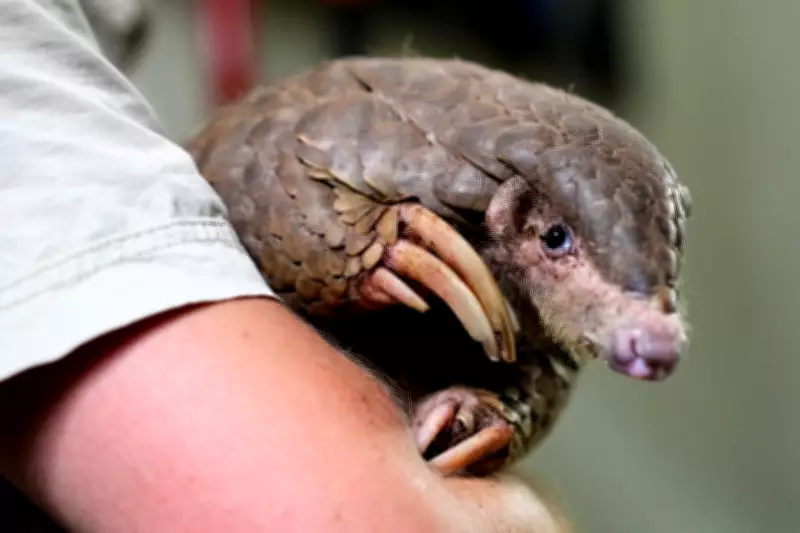
These shy, scaly creatures, often mistaken for anteaters, hold the tragic distinction of being the most trafficked mammals on the planet. Pangolins, found in parts of Asia and Africa, are relentlessly hunted for their scales and meat, driving them toward the brink of extinction. Despite international protections, illegal wildlife trade continues to devastate their populations, with millions poached in recent decades.
The Scale of the Crisis
Pangolins are uniquely vulnerable due to their distinctive physical features and behaviors. Their bodies are covered in keratin scales, which are falsely believed in some traditional medicine practices to have curative properties. This demand fuels a black market where pangolin scales can fetch high prices, comparable to ivory or rhino horn. Additionally, their meat is considered a delicacy in certain regions, further exacerbating the threat.
Conservationists report that all eight species of pangolins are now threatened, with four classified as endangered and two as critically endangered. The scale of trafficking is staggering; for example, seizures of pangolin scales have amounted to tons in single shipments, indicating industrial-level poaching operations. Their slow reproduction rates—typically giving birth to only one offspring per year—make recovery from population declines nearly impossible without urgent intervention.

Conservation Efforts and Challenges
International agreements, such as the Convention on International Trade in Endangered Species (CITES), have listed pangolins under Appendix I, banning commercial trade. However, enforcement remains a significant challenge due to corruption, limited resources, and the covert nature of trafficking networks. Wildlife organizations are working to combat this by:
- Strengthening anti-poaching patrols in key habitats.
- Promoting community-based conservation programs to reduce local hunting.
- Advocating for stricter penalties and better law enforcement coordination globally.
- Raising public awareness to reduce demand for pangolin products.
Despite these efforts, habitat loss from deforestation and urbanization adds another layer of threat, shrinking the areas where pangolins can live safely. Climate change may also impact their ecosystems, though research is ongoing.
The Path Forward
Saving pangolins requires a multifaceted approach. Increased funding for conservation, enhanced international cooperation, and targeted demand-reduction campaigns in consumer countries are critical. Public support can play a vital role; by spreading awareness and supporting ethical wildlife organizations, individuals can contribute to the fight against extinction.
As the most trafficked mammals, pangolins symbolize the broader crisis of illegal wildlife trade. Their survival hinges on global commitment to protecting biodiversity and enforcing laws that safeguard these unique creatures for future generations.