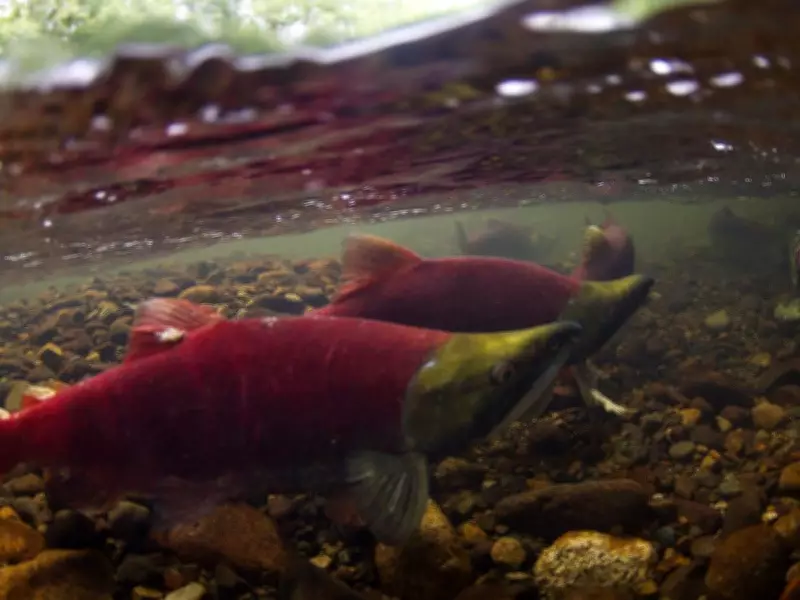
Pacific Salmon Treaty at Crossroads: Conservation Must Trump Allocation in Era of Scarcity
In a critical moment for transboundary fisheries management, experts are calling for a fundamental shift in how Canada and the United States approach the Pacific Salmon Treaty. As salmon populations face unprecedented pressures, the traditional focus on dividing harvests between nations is becoming increasingly inadequate for addressing the complex conservation challenges threatening these iconic species.
The Biology-Politics Mismatch
Pacific salmon operate without regard for international borders, undertaking remarkable migrations that span the North Pacific before returning to their natal rivers. This biological reality creates inherent tension with the political boundaries and management systems that govern fisheries along their migration routes. The Pacific Salmon Treaty, established four decades ago to coordinate conservation and fisheries management between Canada and the U.S., now faces its most consequential renegotiation yet.
The urgency of this moment is particularly evident as the Pacific Salmon Commission convenes its annual meeting in Vancouver from February 9 to 13. What began as a sharing agreement has evolved into something far more critical: a mechanism that may determine whether future generations inherit resilient salmon runs or merely memories of them.

Shrinking Pie, Growing Challenges
The landscape has transformed dramatically since the treaty's inception. Salmon stocks along the entire Pacific coast now face multiple, compounding threats including changing ocean conditions, warming river temperatures, degraded freshwater habitats, and persistent fishing pressures. These challenges have fundamentally altered the treaty's context from one of abundance to one of scarcity.
Allocation discussions are no longer simply about dividing resources between nations but about determining whether sufficient salmon will survive to sustain future populations. The negotiation environment has grown increasingly complex, with salmon policy now influenced by broader international relationships, trade tensions, domestic political pressures, and competing regional priorities.
Four Critical Areas for Treaty Strengthening
To fulfill its conservation mandate effectively, experts identify several key areas where the Pacific Salmon Treaty must evolve:
- Addressing Mixed-Stock Fisheries: These fisheries present particular conservation challenges as they often capture co-migrating salmon from multiple rivers and regions, including both healthy and vulnerable populations. The treaty's goal of protecting salmon diversity—essential for resilience against changing conditions—is threatened when weaker stocks are caught incidentally alongside healthier ones.
- Climate Change Adaptation: Warming waters, shifting migration patterns, and changing ocean distributions create unprecedented management challenges. Climate impacts increase physiological stress on salmon already struggling to survive, while making population predictions and management decisions more difficult.
- Beyond Harvest Management: While the treaty has historically excelled at negotiating harvest allocations between countries, it has been less effective at addressing broader causes of salmon decline. A modernized approach must look beyond simple harvest division to tackle habitat degradation, freshwater ecosystem health, and comprehensive conservation strategies.
- Building Resilience Through Cooperation: In an era of scarcity and political complexity, the treaty must foster greater cooperation rather than competition. This requires moving beyond short-term domestic wins toward shared long-term conservation goals that benefit both nations and the salmon populations they share.
A Path Forward
The current combination of fewer fish, reduced management flexibility, and increased political pressures creates a risky scenario for Pacific salmon. A modernized treaty must prioritize conservation over allocation, recognizing that healthy salmon populations benefit both nations economically, culturally, and ecologically.

As negotiations progress, the fundamental question remains whether Canada and the U.S. will continue negotiating for diminishing shares of a shrinking resource or collaborate to defend the legacy of wild salmon for future generations. The treaty's evolution from a harvest-sharing agreement to a comprehensive conservation framework may determine the fate of these iconic species across their entire Pacific range.