Province-Wide Police Integrity Review Announced Following Toronto Corruption Charges
Ontario's inspector general of policing, Ryan Teschner, has announced a comprehensive independent inspection of all police services across the province in response to the ongoing corruption scandal involving Toronto Police officers. The announcement comes as fallout continues from Project South, a major corruption investigation that has resulted in charges against seven current officers, one former officer, and 19 additional individuals.
Expanding Investigation Beyond Toronto
"I am announcing an independent province-wide inspection into the ability of Ontario's police services and boards to prevent, detect, respond to and fortify their organizations against corruption and ensure integrity," Teschner stated on February 9, 2026. The review represents a significant escalation of scrutiny following what has been described as the most damaging incident for Toronto policing since the G20 summit sixteen years ago.
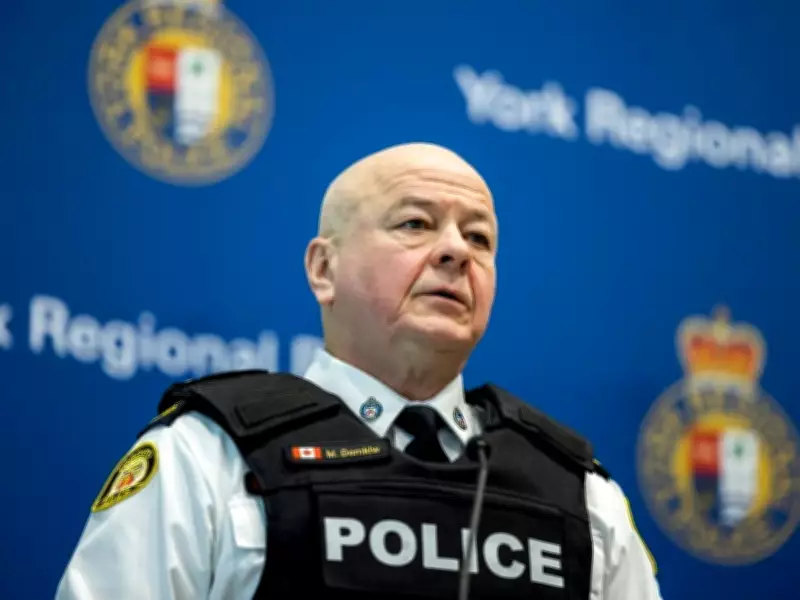
The investigation will examine corruption prevention mechanisms across all police services in Ontario, signaling a broader concern about systemic integrity issues beyond the immediate Toronto case. This move follows requests from both Toronto Police Chief Myron Demkiw and the police board chair for external oversight.

Project South Fallout and Public Response
The Project South investigation, launched in June of last year, has resulted in charges against 27 individuals total, with two additional officers recently suspended for unspecified reasons. According to Statistics Canada data cited in the discussion, the charged officers represent approximately 0.15% of Toronto's police force of 5,500 officers.
Public opinion appears divided on the broader implications for policing. An unscientific poll conducted on Newstalk1010 in Toronto indicated that 86% of respondents support the police and approve of how Chief Demkiw and police association president Clayton Campbell are handling the crisis. However, concerns persist about whether police should investigate themselves and how the justice system will handle convictions.
Financial and Professional Consequences
A significant development in the case involves the financial status of accused officers. Four officers have been suspended without pay, made possible by recent changes to provincial legislation. The police union has indicated it will not challenge these suspensions when officers are charged with crimes unrelated to their official duties, distinguishing these cases from those involving split-second decisions made during dangerous police work.
Clayton Campbell, president of the Toronto Police Association, clarified the union's position: "The union is not standing by these officers who are charged with crimes outside their job, as opposed to how they do stand with officers accused after making split-second decisions as they carry out their sometimes-dangerous duties."
Broader Context and Professional Perspective
The discussion extends beyond immediate police concerns to examine how society views professional misconduct across various fields. Statistics Canada indicates that 5.7% of the population commits crime annually (excluding traffic offenses), with approximately 10% offending over a lifetime. These individuals come from all professions, including doctors, nurses, teachers, lawyers, and tradespeople who enter homes or transport passengers.
Retired homicide investigator David Perry offered perspective in a Toronto Sun commentary, writing: "This profession, at its core, is still something worth believing in." This sentiment reflects ongoing debates about whether isolated incidents should tarnish entire professions or institutions.
As the legal process unfolds, questions remain about sentencing outcomes if convictions occur. Critics of Canada's justice system have described it as "soft on violent crime" with a "turnstile justice system," though these concerns extend beyond police-specific issues to broader criminal justice policy.
The province-wide inspection announced by Inspector General Teschner represents a proactive attempt to address systemic vulnerabilities before they manifest in additional corruption cases. The review's findings and recommendations will likely influence police oversight and integrity measures across Ontario for years to come.