Ontario's Trumpeter Swans: How Preservation of the Rare Species Continues
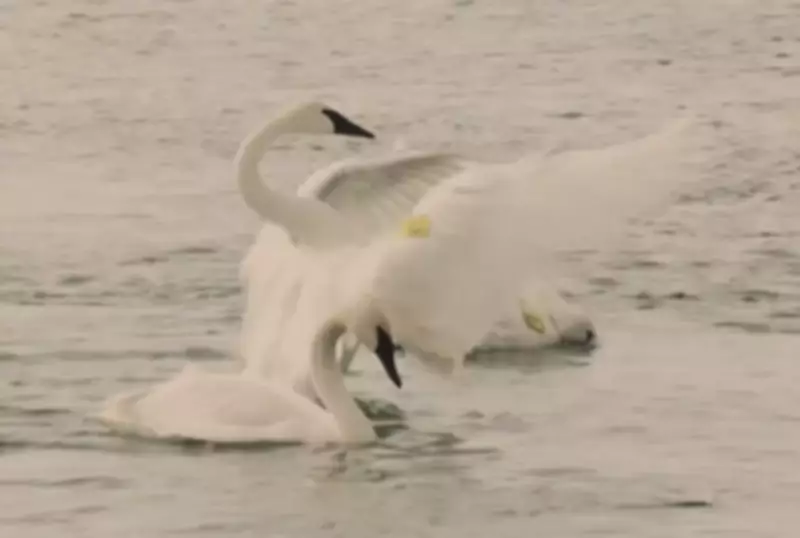
In the serene waters of Lake Couchiching in Washago, Ontario, trumpeter swans are being meticulously tagged and banded by dedicated conservationists. This critical work is part of a broader effort by Trumpeter Swan Conservation Ontario to preserve and study this rare species, ensuring its survival for future generations.
Conservation Efforts in Action
The process involves carefully capturing the swans to attach identification bands and tags, which allow researchers to track their movements, monitor population health, and gather essential data on migration patterns and breeding success. These efforts are vital for understanding the challenges faced by trumpeter swans, including habitat loss, environmental changes, and human interference.
Trumpeter swans, once nearly extinct in Ontario due to overhunting and habitat destruction, have made a remarkable comeback thanks to decades of conservation initiatives. However, they remain a species of concern, requiring ongoing protection and management to maintain their numbers and genetic diversity.

Importance of Research and Monitoring
The tagging and banding program provides invaluable insights into the swans' behavior and ecology. By analyzing data collected from these activities, scientists can identify key breeding and feeding grounds, assess the impact of climate change on their habitats, and develop strategies to mitigate threats such as pollution and development.
Moreover, this research supports collaborative efforts with other conservation organizations and government agencies, fostering a unified approach to wildlife preservation across the region. Public education and community involvement are also emphasized, as raising awareness about the swans' plight encourages local stewardship and support for conservation projects.
Challenges and Future Directions
Despite progress, trumpeter swans still face significant challenges. Climate change poses a threat to their wetland habitats, while increased human activity in natural areas can lead to disturbances and conflicts. Conservationists are working to address these issues through habitat restoration, policy advocacy, and innovative research methods.
Looking ahead, Trumpeter Swan Conservation Ontario plans to expand its monitoring programs and engage more volunteers in citizen science projects. By leveraging technology such as GPS tracking and remote sensing, they aim to enhance data collection and improve conservation outcomes for this iconic species.
In conclusion, the ongoing efforts to tag and band trumpeter swans on Lake Couchiching highlight the commitment to preserving Ontario's rare wildlife. Through dedicated research, community engagement, and adaptive management, there is hope for a sustainable future where these majestic birds continue to thrive in their natural habitats.