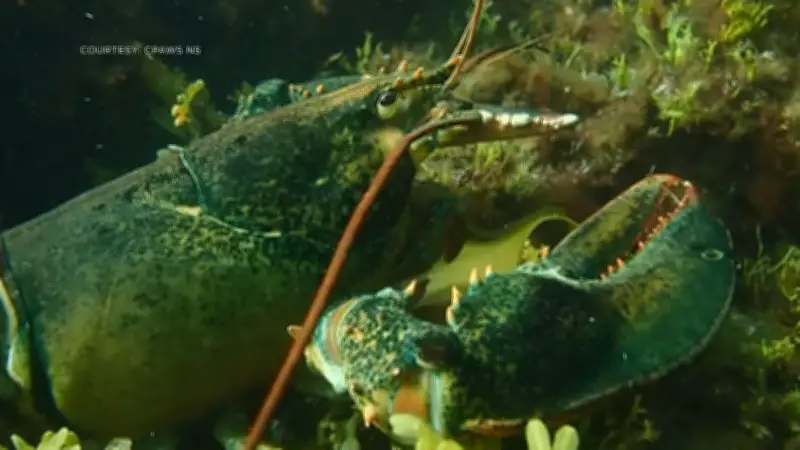
Nova Scotia Scientists Embark on Deep Dive into Coastal Biodiversity
In a pioneering conservation effort, scientists in Nova Scotia are plunging into the province's coastal waters to study marine biodiversity through an innovative free diving program. This first-of-its-kind initiative, spearheaded by CPAWS Nova Scotia, represents a significant advancement in how researchers approach underwater ecological surveys.
Groundbreaking Free Diving Techniques
The program utilizes free diving, a method that allows researchers to explore marine environments without the bulk and limitations of traditional scuba equipment. This approach enables scientists to move more freely and observe marine life in its natural state with minimal disturbance. The technique is particularly valuable for studying sensitive coastal ecosystems where conventional diving gear might disrupt habitats.
Members of CPAWS Nova Scotia have emphasized how this method enhances their conservation work. By getting closer to marine organisms and their habitats, researchers can gather more accurate data about species distribution, population health, and ecosystem dynamics. The program represents a fusion of traditional ecological knowledge with modern scientific methodology.

Conservation Implications
This research comes at a critical time for Nova Scotia's coastal environments, which face increasing pressures from climate change, pollution, and human activity. The data collected through this free diving program will inform conservation strategies and help protect vulnerable marine species. Scientists hope their findings will contribute to more effective marine protected areas and sustainable resource management policies.
The program's unique approach allows for real-time observation of behavioral patterns and ecological interactions that might be missed through remote sensing or traditional sampling methods. Researchers can document subtle changes in marine communities that serve as early warning signs of environmental stress.
Scientific Community Response
The scientific community has welcomed this innovative approach to marine research. Free diving reduces the carbon footprint associated with traditional research vessels and equipment while providing unprecedented access to shallow coastal areas that are often challenging to study. The program also offers training opportunities for early-career marine biologists in specialized field techniques.
As climate change continues to affect ocean temperatures and acidity levels, understanding coastal biodiversity becomes increasingly urgent. Nova Scotia's position along the Atlantic coast makes it a crucial location for studying how marine ecosystems respond to environmental changes. This research program positions the province at the forefront of marine conservation science.
The free diving initiative demonstrates how innovative field methods can enhance our understanding of complex ecological systems while promoting sustainable research practices that minimize environmental impact.