No Charges Filed After Beaver Found Trespassing in Nickelback's Hometown
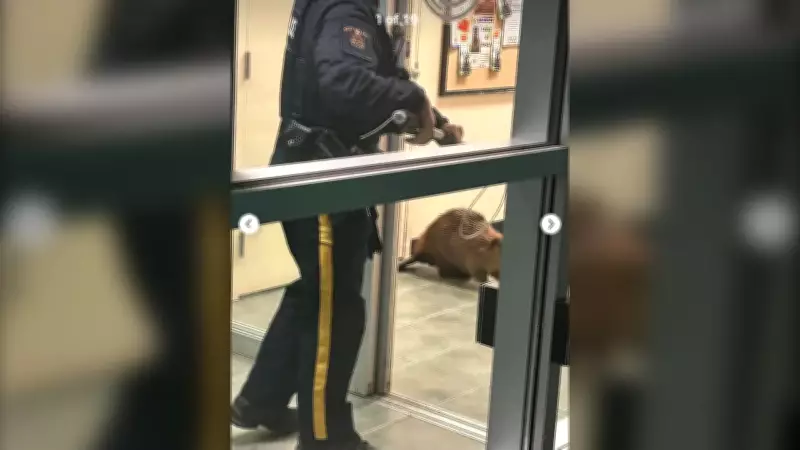
In a peculiar incident that underscores the ongoing challenges of human-wildlife coexistence, the Royal Canadian Mounted Police (RCMP) in Hanna, Alberta, have confirmed that no charges are pending after a beaver was discovered trespassing on local property. The event, which occurred on April 8, 2026, involved the iconic national symbol of Canada, adding a layer of symbolic significance to the otherwise routine wildlife encounter.
Details of the Incident
According to official reports from the Hanna RCMP, officers responded to a call regarding a beaver that had wandered onto private land. The animal, known for its industrious nature and status as a Canadian emblem, was found in a state of trespass, prompting concerns from property owners. Despite the beaver's unauthorized presence, authorities determined that no legal action was warranted, emphasizing the need for peaceful resolution in such cases.
The RCMP officer involved stated, "Our priority is ensuring public safety while respecting wildlife. In this instance, the beaver was safely relocated without incident, and no charges were necessary." This approach reflects broader efforts across Canada to manage wildlife interactions through education and non-confrontational methods, rather than punitive measures.

Broader Implications for Wildlife Management
This incident highlights the increasing frequency of human-wildlife conflicts in Alberta, particularly in rural areas like Hanna, which is famously known as the hometown of the rock band Nickelback. As urban expansion and climate change alter natural habitats, animals such as beavers are more frequently venturing into human-dominated spaces, leading to situations that require careful handling by authorities.
Experts note that beavers, while generally harmless, can cause property damage through their dam-building activities, which may necessitate intervention. However, the Hanna RCMP's decision to forgo charges aligns with conservation principles that prioritize animal welfare and ecological balance. This case serves as a reminder of the delicate balance between protecting property rights and preserving wildlife, a topic of ongoing debate in environmental and community circles.
Community Response and Future Precautions
Local residents have expressed mixed reactions to the incident, with some appreciating the RCMP's compassionate response, while others call for stricter measures to prevent future trespassing. The Hanna community, nestled in Alberta's prairie region, is no stranger to wildlife encounters, but this event has sparked conversations about proactive strategies.
To address similar situations, authorities recommend:
- Installing barriers or fencing to deter wildlife from entering private properties.
- Educating the public on safe and humane ways to handle wildlife sightings.
- Collaborating with conservation groups to develop long-term management plans.
As Canada continues to grapple with the complexities of wildlife conservation, incidents like this underscore the importance of adaptive policies that respect both human and animal interests. The Hanna RCMP's handling of the beaver trespassing case may set a precedent for other regions facing similar challenges, promoting a harmonious coexistence in an ever-changing landscape.