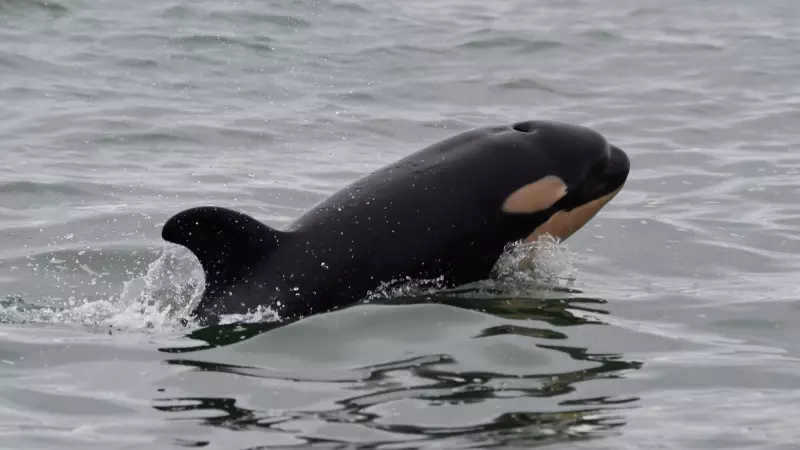
A glimmer of hope has emerged for the critically endangered southern resident killer whales with the confirmed sighting of a new calf. Researchers from the Center for Whale Research documented the young orca swimming with members of the K-pod off the coast of Vancouver Island.
A Significant Discovery for an Endangered Population
The identification was made on December 12, 2025, based on images distributed by the Center for Whale Research. The calf was observed in the company of the K-pod, one of the three familial groups that make up the southern resident community. This population, which frequents the waters between Washington State and British Columbia, has been struggling with low numbers, making every new birth a vital event for its future survival.
Why This Sighting Matters
The southern resident killer whales are listed as endangered in both Canada and the United States. Their recovery has been hampered by a combination of threats, including a shortage of their primary prey, Chinook salmon, underwater noise from vessel traffic, and persistent pollutants in the marine environment. The arrival of a new calf represents a positive step, though scientists caution that the first year of life is perilous for young orcas.

Researchers will now work to determine the calf's exact lineage within the K-pod, identifying its mother. This information is crucial for tracking the health and growth of the new individual and for understanding the pod's social structure. Continued monitoring will be essential to see if the calf thrives in the challenging conditions of the Salish Sea.
Context and Conservation Efforts
This sighting comes amidst broader environmental news in British Columbia, including a major conservation announcement regarding 45,000 hectares of forestry land. The health of marine and terrestrial ecosystems are deeply interconnected, with salmon health being a direct concern for the orcas. Conservationists emphasize that protecting habitat and reducing human impacts are key to ensuring the long-term survival of the southern residents.
While the community celebrates this new life, the path to recovery remains long. Each successful birth, however, adds genetic diversity and resilience to a population that holds great cultural significance for Coastal First Nations and is an iconic symbol of the Pacific Northwest.