Nova Scotia Moose Conservation Association Challenges Provincial Wind Energy Plan
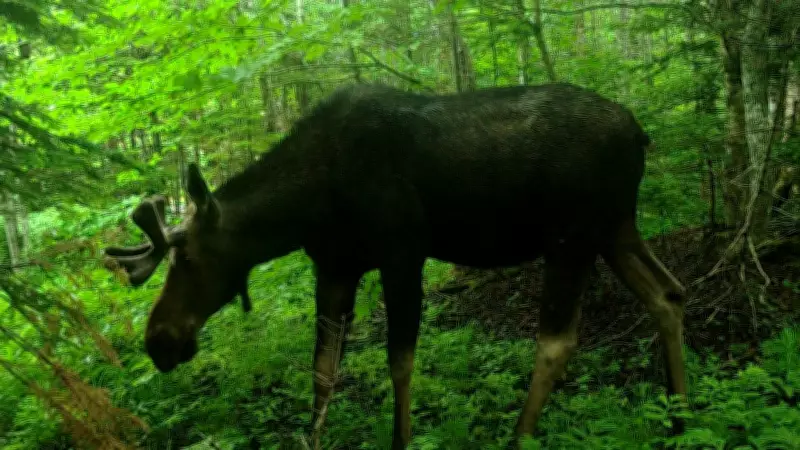
The Nova Scotia Moose Conservation Association has launched a concerted effort to halt the province's proposed wind turbine project, arguing that it poses a significant threat to the fragile mainland moose population. This conservation group is mobilizing resources and public support to block the installation of wind turbines in areas critical to moose habitat, highlighting a growing conflict between green energy expansion and wildlife preservation.
Conservation Concerns Over Habitat Disruption
The association contends that the wind project could lead to substantial habitat fragmentation and disturbance, potentially endangering the already vulnerable mainland moose. These large mammals require extensive, undisturbed forest areas for feeding, breeding, and migration, and the construction and operation of wind turbines may disrupt these essential behaviors. The group emphasizes that noise pollution, increased human activity, and physical barriers created by turbine infrastructure could have devastating long-term effects on moose survival rates.
Balancing Renewable Energy Goals with Wildlife Protection
Nova Scotia's push for wind energy is part of broader provincial and national commitments to reduce carbon emissions and transition to renewable sources. However, the conservation association argues that this particular project location was chosen without adequate environmental assessment regarding its impact on local wildlife. They are calling for a comprehensive review that prioritizes ecosystem health and explores alternative sites that would minimize harm to the moose population while still advancing clean energy objectives.

Public Engagement and Legal Strategies
The Moose Conservation Association is actively engaging with community members, policymakers, and environmental organizations to build opposition to the wind project. Their strategy includes:
- Organizing public awareness campaigns about the moose's ecological importance
- Petitioning provincial authorities to reconsider the turbine locations
- Exploring potential legal avenues to delay or stop the project
- Collaborating with scientific researchers to document moose habitat use patterns
This confrontation represents a microcosm of larger debates occurring across Canada and globally, where the urgent need for renewable energy infrastructure sometimes clashes with conservation priorities. The outcome in Nova Scotia could set important precedents for how similar conflicts are managed in other regions facing comparable challenges between development and preservation.