Marineland Submits Proposal to Federal Government for Cetacean Relocation
According to sources speaking to The Canadian Press, Marineland, the controversial amusement park in Niagara Falls, Ontario, has formally presented a plan to the federal government. The proposal outlines the potential relocation of its remaining captive whales and dolphins to facilities in the United States.
Details of the Proposed Transfer
The plan, submitted in January 2026, seeks federal approval for the complex logistical and regulatory operation of moving the marine mammals. While specific details of the receiving U.S. facilities were not disclosed by the sources, the move would represent a significant shift for the park, which has long been a focal point for animal welfare debates in Canada.
The proposal comes after years of public scrutiny and changing regulations concerning the keeping of cetaceans in captivity. It underscores the ongoing challenges faced by such facilities in adapting to evolving societal expectations and legal standards for animal care.

Context and Implications
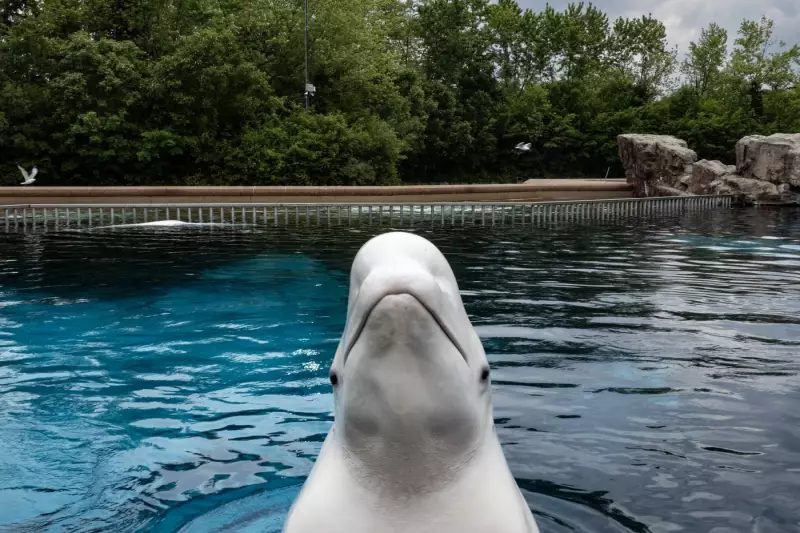
Marineland has housed beluga whales and dolphins for decades, using them as central attractions for visitors. The potential relocation of these animals raises several immediate questions:
- The welfare of the animals during transport and acclimation to new environments.
- The regulatory hurdles involved in an international transfer of this scale.
- The future operations of Marineland without its signature marine mammal exhibits.
This development follows a broader national and international trend of phasing out the captivity of whales and dolphins for entertainment purposes. The federal government's review of this plan will be closely watched by animal rights groups, the tourism industry, and policymakers alike.
As of now, neither Marineland nor federal officials have publicly commented on the specifics of the proposal. The outcome of this governmental review could set a precedent for how Canada manages the future of captive marine mammals within its borders.