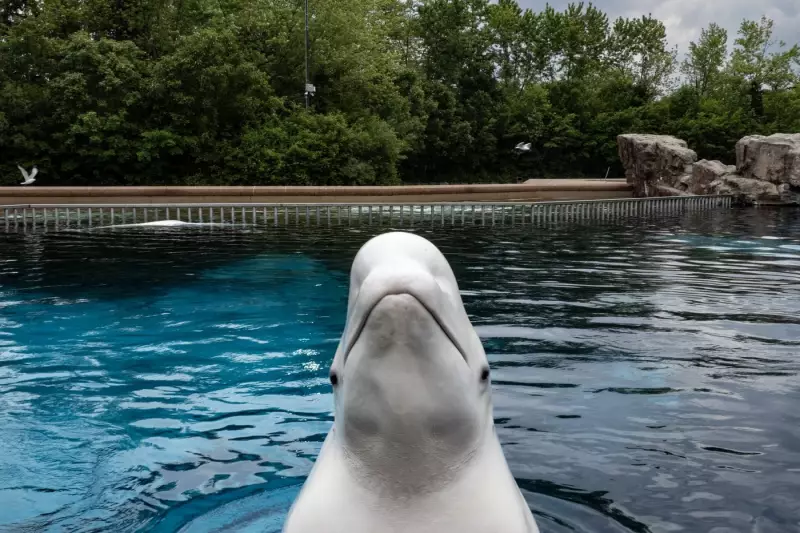
Marineland Initiates Process to Transfer Beluga Whales to U.S. Destinations
According to sources familiar with the matter, Marineland, the well-known amusement park located in Niagara Falls, Ontario, is now actively seeking the necessary permits to ship its remaining population of beluga whales to facilities in the United States. This move represents a pivotal step in the ongoing narrative surrounding the park's marine mammal operations and their future.
A Shift in Marine Mammal Management
The decision to pursue permits for relocation follows years of public scrutiny, regulatory challenges, and evolving standards for marine animal care in Canada. Beluga whales, with their distinctive white coloration and social nature, have long been a central attraction at Marineland, drawing visitors but also sparking debate among animal welfare advocates and conservationists.
Sources indicate that the permit applications are currently in progress, though specific details regarding the number of whales involved, the intended U.S. facilities, and the timeline for transfer remain undisclosed at this stage. The process is expected to involve coordination with both Canadian and American wildlife authorities to ensure compliance with international transport and animal welfare regulations.

Context and Implications for the Park
This development occurs against a backdrop of increasing pressure on marine parks globally to reconsider the captivity of cetaceans. In recent years, Marineland has faced various operational and legal challenges, including inspections and public concerns over animal welfare. The potential relocation of its beluga whales could signify a strategic shift for the park, possibly moving away from large marine mammal exhibits.
The pursuit of these permits highlights the complex logistics and regulatory hurdles involved in transferring marine animals across borders. It also raises questions about the long-term plans for Marineland's other animal attractions and the broader implications for wildlife tourism in Canada.
As the situation unfolds, stakeholders from animal rights groups to tourism officials will be closely monitoring the permit approvals and any subsequent relocation efforts. The outcome could set a precedent for how similar facilities manage transitions in an era of heightened environmental and ethical awareness.