A veterinary clinic in Maple Ridge, British Columbia, has revealed that it identified several cases of avian influenza in wild birds last month, highlighting the ongoing presence of the virus in migratory populations and the frontline role of local veterinarians.
A Notable Cluster of Cases
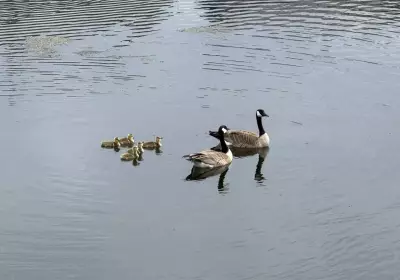
The Dewdney Animal Hospital, which typically encounters one or two suspect birds monthly during the fall migration, reported an unusual cluster in November. Three cackling geese, a smaller relative of the Canada goose, were involved. One died at a wildlife rescue facility, while the other two, found frail and sick in the Maple Ridge-Pitt Meadows area, were euthanized at the hospital and sent for testing. Both euthanized geese tested positive for the H5N1 strain of avian influenza.
"We have always got birds in the fall with suspected avian influenza and have for all 17 years I have been here," said Dr. Adrian Walton, head veterinarian and owner of Dewdney Animal Hospital. He noted that the procedural change this year led to more confirmed cases. Wildlife rescue associations, closed to intakes due to disease risk, recommended testing instead, which increased the number of birds being formally screened.

The Role of Veterinarians and Federal Agencies
Beyond the geese, the hospital's November tally included a kestrel that died at the OWL rehabilitation centre and tested positive, a crow that was not tested, and a seagull from a Coquitlam parking lot that is currently awaiting test results. This localized monitoring forms part of a broader national surveillance effort.
In a joint statement, the Canadian Food Inspection Agency (CFIA) and Environment and Climate Change Canada outlined the coordinated response. They emphasized that private veterinarians are legally obligated to report any suspicion of a reportable disease, such as avian flu, to the CFIA immediately. "Veterinarians in Canada play a key role in protecting animal health and preventing the spread of foreign animal diseases," a CFIA spokesperson stated, calling them a crucial first line of detection.
Public and Wildlife Rescue Involvement
The process often begins when members of the public or other clinics find distressed wildlife. The infected seagull, for instance, was brought to the Maple Ridge hospital by another veterinary clinic. Dr. Walton's team then collaborates with organizations like the BC Wildlife Rescue Association and OWL Rehab to assess whether a bird can be safely helped or must be euthanized for testing to protect other animals and track the virus's spread.
Most of the recent infected birds were located in the Pitt Meadows and Pitt Marsh area, a significant habitat for native and migrating species. This incident follows other confirmed avian flu cases in British Columbia, including at an Okanagan animal sanctuary and a poultry farm where ostriches were culled.
The situation underscores the persistent circulation of H5N1 in wild bird populations across Canada and the essential, interconnected network of veterinarians, wildlife rescuers, and federal agencies working to manage its impact.