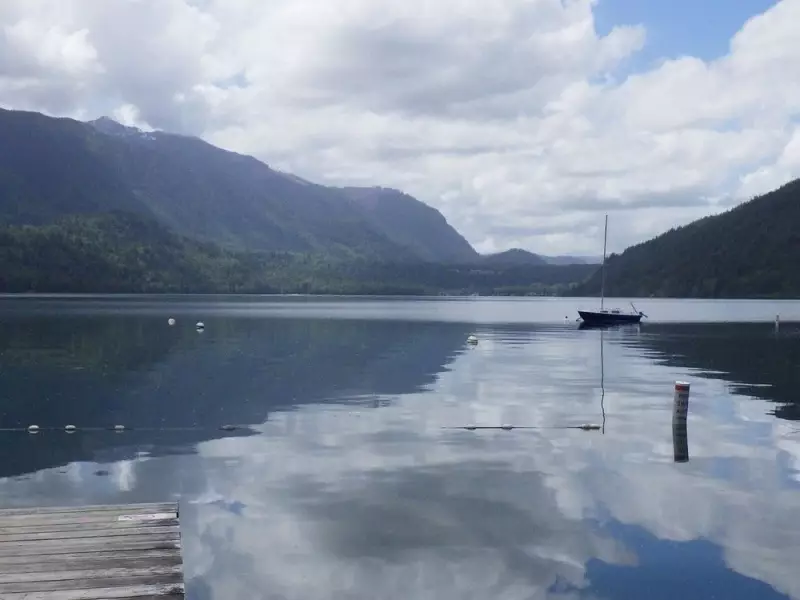
Conservation officers in British Columbia are sounding the alarm and asking for the public's assistance after discovering an invasive predator in a popular Fraser Valley lake. The unauthorized introduction of smallmouth bass into Cultus Lake near Chilliwack represents a dire threat to the local ecosystem, particularly to species already at risk.
Public Appeal for Information on Illegal Introduction
The B.C. Conservation Officer Service has launched an investigation and is actively seeking tips from the public to determine how the non-native fish entered the lake. Officials believe the illegal introductions may have occurred on multiple occasions, with the first potentially dating back to 2017.
Sgt. Todd Hunter, a spokesperson for the service's Aquatic Invasive Species unit, emphasized the severity of the act. "Transporting or releasing invasive species is illegal and can have detrimental impacts on the environment, fish and wildlife," Hunter stated. He urged anyone with information to come forward, noting that "even small details can make a big difference" in the investigation.

A Grave Threat to Native Species
The presence of smallmouth bass in Cultus Lake is causing significant ecological damage. These fish are aggressive top predators that consume a wide variety of prey. Conservation officers confirm they are preying on juvenile salmon and other native species, disrupting the delicate balance of the lake.
The lake is a critical habitat for two particularly vulnerable species:
- The Cultus Lake sockeye salmon, which is listed as endangered.
- The Pygmy sculpin, which is considered a threatened species.
Both are now facing increased pressure from this new, unnatural predator. Smallmouth bass are not native to Cultus Lake or the region; in Canada, they are naturally found only in the Lake Superior and Great Lakes-St. Lawrence River systems.
How to Report Information
The Conservation Officer Service is urging anyone with knowledge about past or present illegal fish releases in the area to contact their Report All Poachers and Polluters (RAPP) line. Tips can be submitted anonymously.
The RAPP hotline number is 1-877-952-7277.
This incident underscores the lasting and harmful consequences of introducing non-native species into local ecosystems. The fight to protect Cultus Lake's unique biodiversity now depends on both scientific intervention and community cooperation.