Winter Waterfowl Dilemma: Human Feeding Disrupts Migration Patterns in Windsor
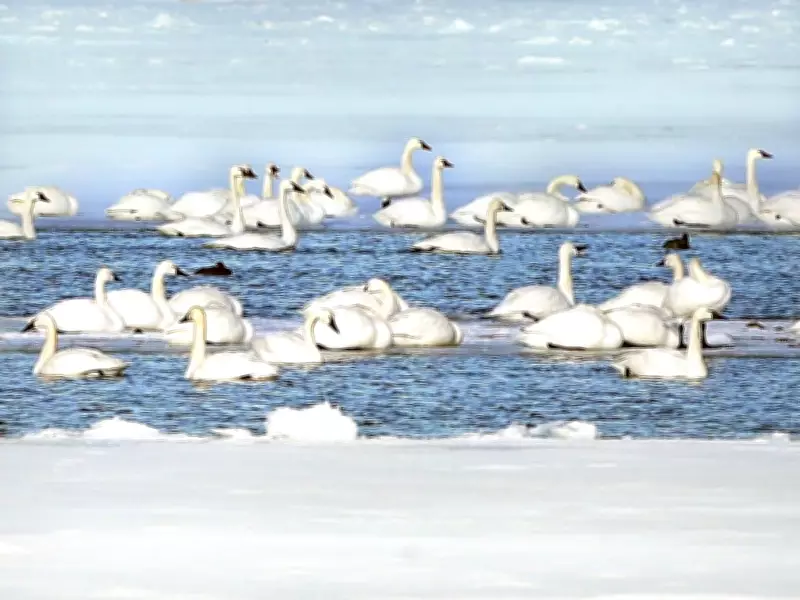
In a surprising ecological shift, numerous large waterfowl species are choosing to remain in the Windsor-Essex region throughout the winter months rather than migrating south. This behavioral change, driven primarily by human intervention and environmental factors, is creating significant challenges for these birds during periods of extreme cold when local waterways freeze solid.
The Human Factor in Avian Behavior
Tim Byrne, Chief Administrative Officer of the Essex Region Conservation Authority (ERCA), explains the fundamental problem: "Any large-body waterfowl does not overwinter here normally. They migrate. And why haven't they migrated? Because people have been feeding them."
This artificial food supply has created what Byrne describes as "an element of domestication" where birds begin to ignore their natural migratory instincts. The thought process becomes: "Why do I need to go anywhere? I'm going to get fed." This behavioral shift ultimately works to the birds' detriment when winter conditions become severe.

Multiple Factors Influencing Migration Changes
Matt Olewski, Executive Director of the Jack Miner Migratory Bird Sanctuary, identifies several contributing factors beyond just human feeding:
- Increasingly abundant natural food sources in the region
- Changes in agricultural practices that provide more accessible nutrition
- Generally warmer winters with reduced ice coverage on local lakes (though this winter represents an exception)
Olewski notes that "waterfowl need access to open water. If they can find that, they'll overwinter." Two years ago, ice coverage was as low as two percent, making winter habitation feasible for these birds.
Current Winter Conditions Creating Crisis
The Windsor-Essex region is currently experiencing a prolonged subzero cold snap that has transformed the landscape. According to the Great Lakes Environmental Research Laboratory, more than fifty percent of the Great Lakes were covered in ice as of early February, with Lake Erie reaching ninety-five percent coverage and Lake St. Clair completely frozen over since late January.
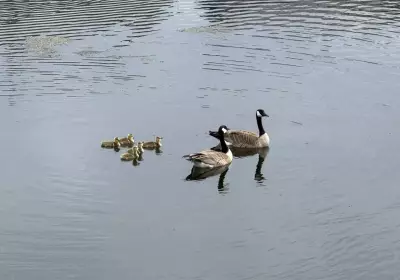
Despite these challenging conditions, gaggles of geese, flocks of ducks, and bevies of swans remain common sights throughout the area. Environment Canada has maintained cold weather warnings, highlighting the severity of the current winter conditions.
Risks to Overwintering Waterfowl
The primary danger isn't the cold temperatures themselves but rather how freezing conditions affect the birds' environment. Olewski explains: "It's the impact of the cold on their sources of food. The loss of water is a risk to them. As things ice up, you'll see more birds move in the direction of where there is open water."
Waterfowl typically rest overnight on water surfaces, which becomes hazardous when temperatures drop suddenly. "There are anecdotes and examples of waterfowl that will end up getting stuck in ice," says Olewski. "They'll be in a spot where they have water, and then they rest and they'll end up being iced in."
Long-Term Implications and Conservation Concerns
Byrne expresses concern about the broader implications: "Unfortunately, we are seeing swans and also Canadian geese, many of them are overwintering because people have been feeding them. It screws up their natural migration tendencies and programming."
He notes that current conditions represent "a normal winter I used to have as a kid" and that birds who have abandoned migration "are now finding themselves in harm's way with ice and conditions where they really can't sustain themselves."
This situation highlights the complex interplay between human activity, environmental changes, and wildlife behavior, creating new conservation challenges for regional authorities and bird sanctuaries alike.