Rescuers Abandon Hope for Stranded Humpback Whale in Baltic Sea
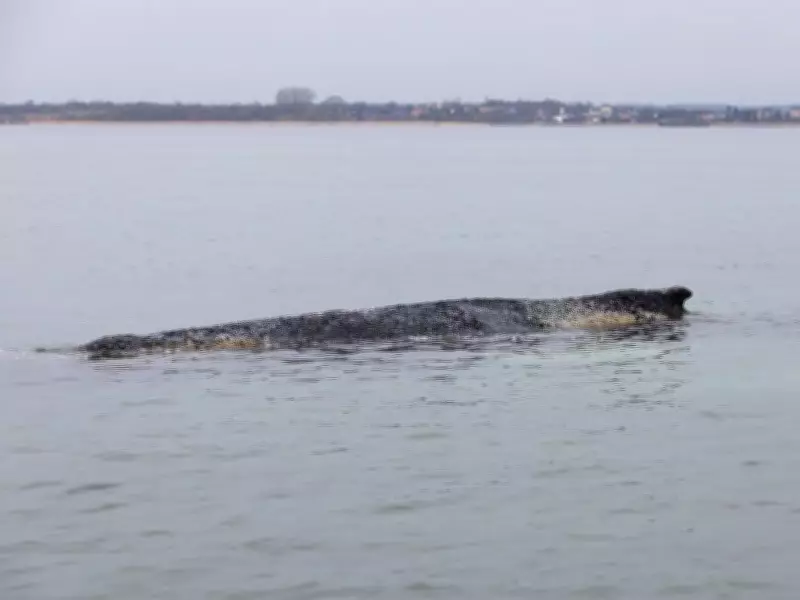
German rescue teams have officially given up hope for a humpback whale that has been repeatedly stranded in the shallow coastal waters of the Baltic Sea. The exhausted whale, which has been trapped in an inlet for over a week, is now expected to die in its current location, marking a tragic end to a prolonged rescue operation.
A Prolonged Struggle for Survival
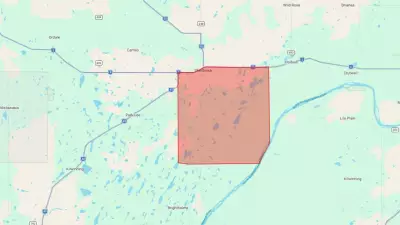
The whale first entered the inlet near the small island of Poel, close to the port of Wismar, on March 23. Despite initial rescue efforts that successfully moved the animal from even shallower waters at Timmendorfer Strand—a resort town approximately 50 kilometers away—using an excavator, the whale encountered difficulties again shortly after. Authorities have described the situation as a unique tragedy, with the whale's repeated stranding indicating a dire prognosis.
Till Backhaus, the environment minister for Mecklenburg-Western Pomerania, expressed the team's efforts in a press conference, stating, "We did everything we could to give it a chance. This is a unique tragedy. But it chose this path for himself." The minister emphasized that all possible strategies were explored before concluding that further attempts would be futile.

Exhausted and Unresponsive
Rescue expert Burkard Baschek provided a grim assessment of the whale's condition, noting that during the last approach, the animal barely reacted to rescuers. "We would have to encourage it vigorously to free itself, which would be futile because it no longer has the strength," Baschek explained. He added that any additional attempts to move the whale would constitute animal cruelty due to its slim chances of survival.
The whale, affectionately nicknamed "Timmy" by German media, is reported to be very weak, with minimal movement and irregular breathing. Baschek cited "respect for nature" as a key factor in the decision to cease rescue operations, concluding, "We firmly believe that the animal will die there."
Unusual Journey into the Baltic
The humpback whale was first spotted swimming in the Baltic Sea region on March 3, an unusual occurrence as these waters are ill-suited for such mammals and far from their natural habitat. Experts speculate that the whale may have lost its way while pursuing a shoal of herring or during migration, leading to its unfortunate entrapment in the shallow inlet.
Authorities attempted various strategies to aid the whale, including:
- Providing peace and quiet to allow the whale to gather strength and swim away independently.
- Approaching with boats to motivate movement.
- Monitoring its condition closely for any signs of improvement.
Despite these efforts, the whale's deteriorating health forced rescuers to make the difficult decision to halt operations, acknowledging the natural course of events in this marine conservation challenge.