First Nation Leader Demands Action to Protect Ancient Fish Species
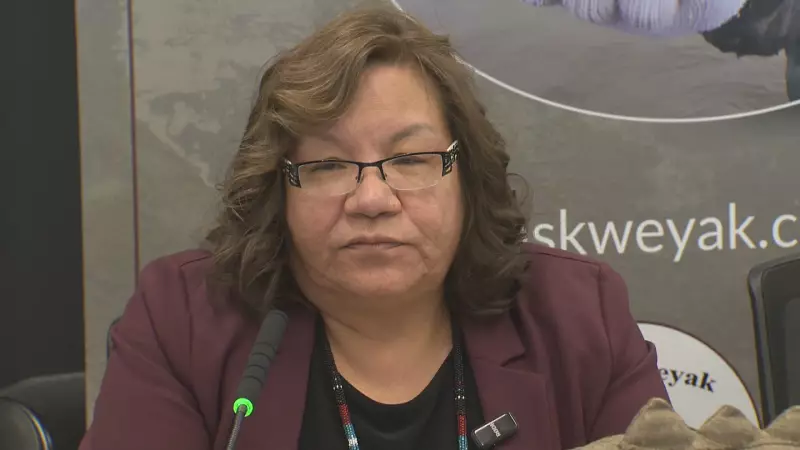
In a significant environmental appeal, Tataskweyak Cree Nation Chief Doreen Spence has publicly urged Manitoba Hydro to modify a critical river diversion project. The proposed changes aim to safeguard the region's vulnerable sturgeon population, which faces potential collapse due to current operational plans. Chief Spence made her impassioned plea during a press conference held in Winnipeg on January 22, 2026, highlighting the deep cultural and ecological importance of these prehistoric fish to Indigenous communities.
Ecological and Cultural Stakes at Risk
The sturgeon, often referred to as a living fossil, plays a vital role in both the aquatic ecosystem and the cultural heritage of the Tataskweyak Cree Nation. These fish have thrived in Manitoba's waterways for millions of years, but recent human interventions have placed them under severe threat. Chief Spence emphasized that the current river diversion strategy by Manitoba Hydro could disrupt spawning grounds, alter water temperatures, and impede migration patterns essential for the sturgeon's survival.
The community's concerns are rooted in both scientific observations and traditional knowledge. Elders have noted declining sturgeon numbers over recent decades, a trend that aligns with hydrological changes from previous infrastructure projects. This situation underscores the broader challenge of balancing energy development with environmental stewardship and Indigenous rights.

Proposed Modifications and Hydro's Response
While specific details of the requested modifications were not fully disclosed, Chief Spence indicated that adjustments to water flow timing, volume management, and habitat protection measures are essential. She called for a collaborative approach, suggesting that Manitoba Hydro work directly with First Nations experts and biologists to develop a more sustainable diversion plan.
Manitoba Hydro has acknowledged receiving the request but has not yet issued a formal response. The utility company, a major player in the province's energy sector, faces the complex task of meeting provincial power demands while addressing environmental and social responsibilities. Past projects have sometimes led to conflicts with Indigenous groups, making this latest appeal a test of reconciliation efforts and adaptive management practices.
Broader Implications for Conservation and Policy
This case highlights several pressing issues in contemporary Canada:
- The need for robust environmental impact assessments that incorporate Indigenous knowledge systems.
- The importance of proactive species conservation, particularly for slow-reproducing animals like sturgeon.
- The ongoing tension between resource development and ecological preservation in regions dependent on hydroelectric power.
Chief Spence's advocacy also reflects a growing movement among First Nations to assert their role as environmental guardians. By leveraging both legal frameworks and public awareness, communities like Tataskweyak Cree Nation are increasingly influencing infrastructure decisions that affect their traditional territories.
The outcome of this appeal could set a precedent for how similar disputes are handled across the country, especially as Canada strives to meet its climate goals through renewable energy projects that must also respect biodiversity and Indigenous sovereignty.