ERCA Initiates Major Habitat Restoration in Windsor's Proposed National Urban Park
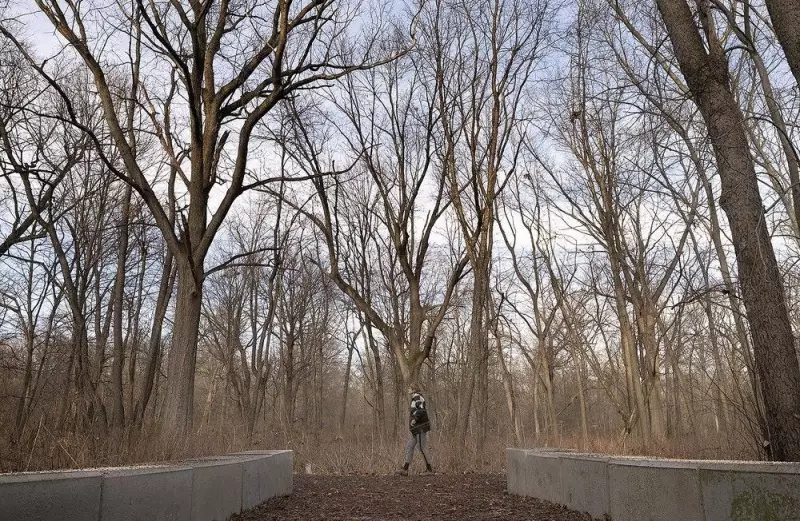
The Essex Region Conservation Authority (ERCA) has launched a significant 12-week habitat restoration project on a 106-acre parcel of land within the boundaries of Windsor's proposed Ojibway National Urban Park. This intensive conservation effort represents a crucial step in protecting one of Canada's most endangered ecosystems while preparing the area for its future role as a national urban park.
Targeting Invasive Species to Protect Rare Prairie Habitat
Over the next three months, ERCA conservation teams will focus on removing aggressive invasive species that threaten the delicate balance of this unique ecosystem. The primary targets include multiflora rose, glossy buckthorn, and autumn olive shrubs, along with other woody species that have encroached upon the rare prairie habitat. These invasive plants compete with native vegetation and disrupt the natural biodiversity that makes this area ecologically significant.
Kevin Money, ERCA's director of conservation services, emphasized the importance of this work: "As part of the ongoing restoration to this area, we will continue our work to remove the invading shrubs and other invasive species. Invasive and woody successional species can negatively impact the many provincially rare flora and fauna, including several critically imperilled species at risk."

A Legacy of Infrastructure Development and Conservation
The restoration site has an interesting history connected to major infrastructure development in the Windsor region. These lands were originally created and preserved as part of the Rt. Hon. Herb Gray Parkway project, an 11-kilometre, $1.4 billion highway extension designed to directly connect Highway 401 to the future Gordie Howe International Bridge. The property was transferred to ERCA from the Ministry of Transportation in 2025, with formal transfer completed in January of that year to ensure long-term protection.
During the parkway construction, the area served as a relocation site for endangered species displaced by development activities. The property now includes both wetland areas and sections where these sensitive species were carefully relocated, creating a mosaic of habitats that require careful management and protection.
Protecting Canada's Most Endangered Ecosystem
Most of the 106-acre restoration site consists of tallgrass prairie, which represents one of the most endangered ecosystems in all of Canada. According to ERCA's media release, less than three percent of the original tallgrass prairie that once covered southern Ontario remains today. This makes every remaining patch of this ecosystem critically important for biodiversity conservation and ecological resilience.
The site supports numerous species at risk, including the Butler's Gartersnake, Eastern Foxsnake, Dense Blazing Star, and Colicroot. These sensitive species depend on the specific conditions found in healthy prairie ecosystems, making the removal of invasive plants essential for their survival and recovery.
Strategic Timing and Long-Term Management
ERCA has strategically timed this restoration work to coincide with winter months when ecological impacts are minimized. Money explained the reasoning behind this timing: "This is the optimal time to be doing this type of work while the snakes are hibernating for the winter and there's no interference with nesting birds."
The restoration will focus on creating more open habitat and movement corridors for wildlife while removing most invasive and woody plants to allow prairie and savanna habitats to flourish. Following this initial 12-week intensive removal phase, ERCA plans ongoing maintenance that will include prescribed burns—a traditional prairie management technique that helps control invasive species while promoting the growth of native plants.
This habitat restoration project represents a significant investment in Windsor's ecological future and demonstrates ERCA's commitment to preparing the Ojibway area for its potential designation as a National Urban Park. The work aligns with broader conservation goals while addressing immediate threats to some of Ontario's most vulnerable species and ecosystems.