A group of critically endangered sea turtles is on the road to recovery in Florida after a dangerous encounter with frigid Atlantic waters far to the north. The Kemp's Ridley turtles were rescued after suffering from cold stunning off the coast of Cape Cod, Massachusetts, a condition that can be fatal.
From Chilled Waters to Florida Care
The turtles' ordeal began when they were found incapacitated by the sudden drop in water temperature near Cape Cod. Cold stunning occurs when sea turtles, which are cold-blooded reptiles, become so chilled that they cannot swim or feed. They float listlessly, vulnerable to predators, boat strikes, and further hypothermia.
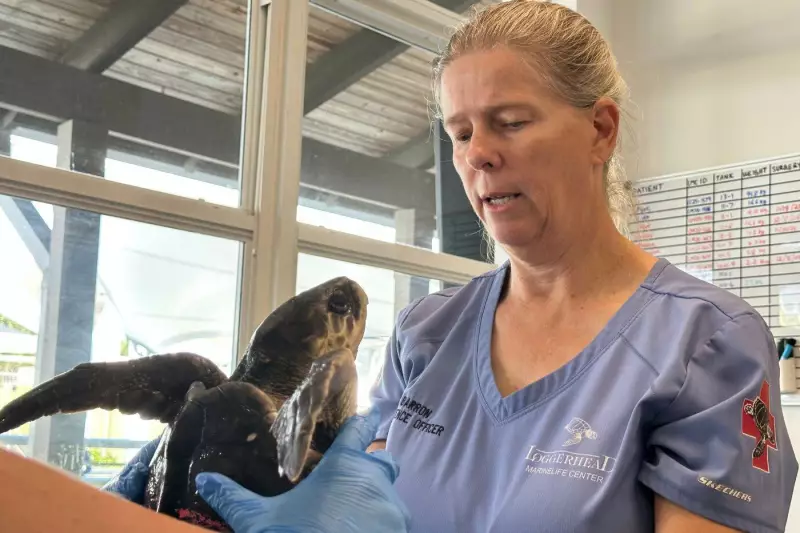
After their initial rescue in the northeastern United States, the turtles were transported to the warmer climate of Florida for specialized rehabilitation. On Monday, December 15, 2025, Dr. Heather Barron was photographed providing care for one of the Kemp's Ridley patients at a facility in Juno Beach, Florida.

The Plight of the Kemp's Ridley
The Kemp's Ridley sea turtle is considered the most endangered sea turtle species in the world. Every individual rescued and returned to the wild is crucial for the survival of the species. Their typical habitat is in the Gulf of Mexico and along the southeastern U.S. coast, but juveniles sometimes travel north with warm Gulf Stream currents, only to become trapped when temperatures plummet.
Rehabilitation for cold-stunned turtles is a meticulous process. It involves slowly raising their body temperature, treating any secondary illnesses or injuries like pneumonia or shell damage, and ensuring they can eat and swim normally before release.
A Collaborative Rescue Effort
The successful transfer and treatment of these turtles highlight the extensive collaborative networks among wildlife rescue organizations across North America. Teams in Massachusetts, transport volunteers, and rehabilitation experts in Florida all played a role in this life-saving effort.
While the original report did not specify the exact number of turtles involved or their expected release date, the ongoing care documented in Florida represents a significant positive step. The recovery of these endangered animals offers a hopeful note in the broader context of marine conservation challenges.