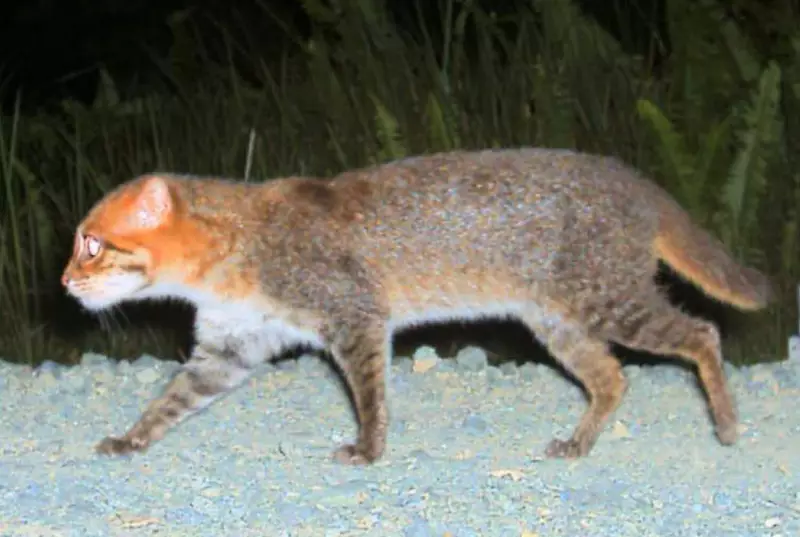
In a remarkable turn of events that has electrified the conservation community, a wild cat species long feared to be extinct has been rediscovered in Thailand. The flat-headed cat, an elusive and enigmatic feline, was captured in a recent photograph, confirming its survival against significant odds.
A Feline Ghost Reappears
The discovery was confirmed by Thai National Parks authorities, who released an undated photo of the animal. For years, the flat-headed cat (Prionailurus planiceps) had slipped into obscurity, with no confirmed sightings leading experts to fear the worst about its status. This solitary and wetland-dependent creature is one of the world's least studied and rarest wild cats.
The species is so rare that it is listed as Endangered on the IUCN Red List, and its populations were believed to be critically fragmented. The primary threats to its survival have been widespread habitat destruction, particularly the drainage of wetlands for palm oil and other plantations, as well as pollution and trapping. This single confirmed sighting in Thailand represents a beacon of hope for the species' future.

Significance of the Rediscovery
The reappearance of the flat-headed cat is more than just a zoological curiosity; it is a critical data point for global biodiversity. The cat's specialized habitat—swamps, peat forests, and riverbanks—makes it an indicator species for the health of these fragile ecosystems. Its survival suggests that pockets of viable wetland habitat still exist and are worth protecting.
This finding will likely prompt renewed and urgent conservation surveys in the region. Scientists will now scramble to determine the size and stability of this rediscovered population. The goal will be to gather data on its range, numbers, and genetic health to formulate a concrete protection plan. The photograph proves the cat persists, but the hard work of ensuring it does not vanish again is just beginning.
Challenges and Next Steps for Conservation
While the rediscovery is cause for celebration, the flat-headed cat's future remains precarious. The same pressures that pushed it to the brink—deforestation, agricultural expansion, and human encroachment—are ongoing. Effective conservation will require immediate action to secure its habitat from further degradation.
Potential strategies include establishing or expanding protected areas around the sighting location, working with local communities to mitigate threats, and launching dedicated camera-trap studies to monitor the population. The rediscovery underscores a vital truth in conservation: it is never too late to search for species presumed lost, and their protection must become an immediate priority once found. This feline's second chance is a powerful reminder of nature's resilience when given an opportunity.