Understanding Dingoes: Australia's Wild Canines and Human Safety Concerns
The recent tragic death of British Columbia teenager Piper James on K'gari island off Queensland's coast has brought renewed attention to dingo behavior and their potential threat to humans. On January 19, 2026, James's body was discovered surrounded by a pack of dingoes in the early morning hours, with autopsy results indicating drowning as the cause of death alongside extensive post-mortem dingo bites.
What Exactly Are Dingoes?
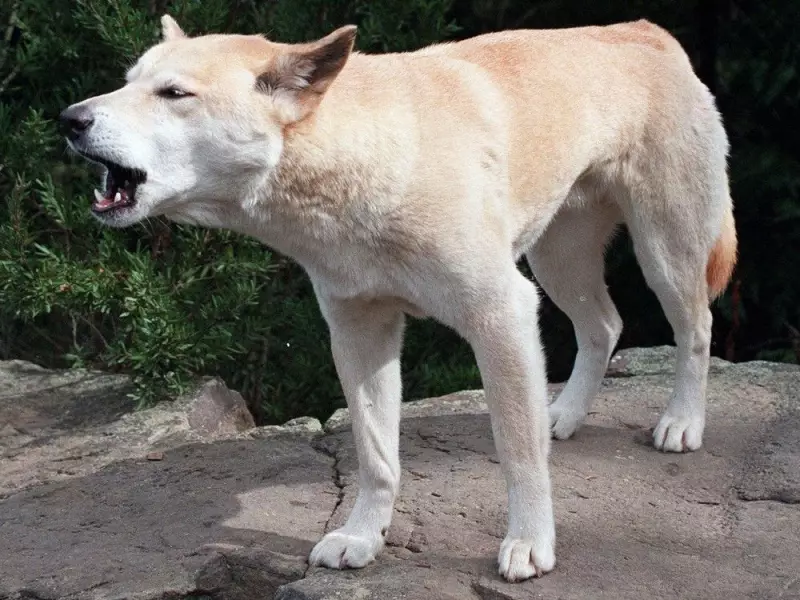
Dingoes are wild dogs native to Australia that resemble medium-sized domestic canines with distinctive ginger-colored fur, erect ears, and bushy tails. According to the Australian Museum, these animals descended from dogs brought by Asian seafarers approximately 4,000 years ago and have since become Australia's largest mammalian carnivore. Their teeth are notably longer than those of domestic dogs, reflecting their predatory nature.
These wild canines inhabit diverse environments across the Australian mainland, showing preference for woodland areas, grasslands, and forest edges. As apex predators, their diet primarily consists of mammals including rabbits, kangaroos, wallabies, and wombats. However, when native prey becomes scarce, dingoes may turn to domestic animals and livestock, creating conflicts with farmers and agricultural communities.

Hunting Behavior and Human Interactions
Dingoes typically hunt nocturnally and often operate alone, though they demonstrate remarkable cooperation when pursuing larger game in packs. Wildlife experts generally classify dingoes as low-risk to humans, noting their typically wary and cautious behavior around people. Most dingoes actively avoid human contact when possible.
The Queensland government has implemented strict regulations against feeding dingoes, particularly addressing issues with well-intentioned tourists. The Department of Environment, Tourism and Science enforces penalties exceeding $10,000 Australian dollars (approximately equivalent to Canadian dollars) for those who deliberately feed these wild animals, recognizing that such behavior can dangerously alter their natural wariness of humans.
Documented Attacks and Recent Incidents
Between 2002 and 2012, official records document 98 dingo attacks on humans, with most incidents involving non-fatal bites or aggressive lunges. A particularly tragic case occurred in 2001 when a nine-year-old boy was fatally mauled on K'gari island, as reported by the Australian Broadcasting Corporation.
More recently, post-pandemic tourism has correlated with increased high-risk incidents beginning in 2023. That July, a woman jogging on a K'gari beach required hospital transport after being chased into the ocean by at least three dingoes. Two men in a four-wheel drive vehicle eventually came to her rescue. Local Aboriginal community members noted that chasing prey into water represents a natural hunting tactic for dingoes.
The coroner investigating Piper James's death clarified that while the teen sustained extensive dingo bites, these injuries occurred post-mortem and were unlikely to have caused immediate death. This distinction highlights the complex nature of human-wildlife interactions and the importance of understanding animal behavior in wilderness settings.
As tourism continues to bring more visitors into dingo habitats, awareness of proper safety protocols becomes increasingly vital. While attacks remain relatively rare compared to other wildlife encounters, respecting these wild animals' space and natural behaviors represents the most effective approach to minimizing risks for both humans and dingo populations.