North Atlantic Right Whale Carcass Located Off North Carolina Shoreline
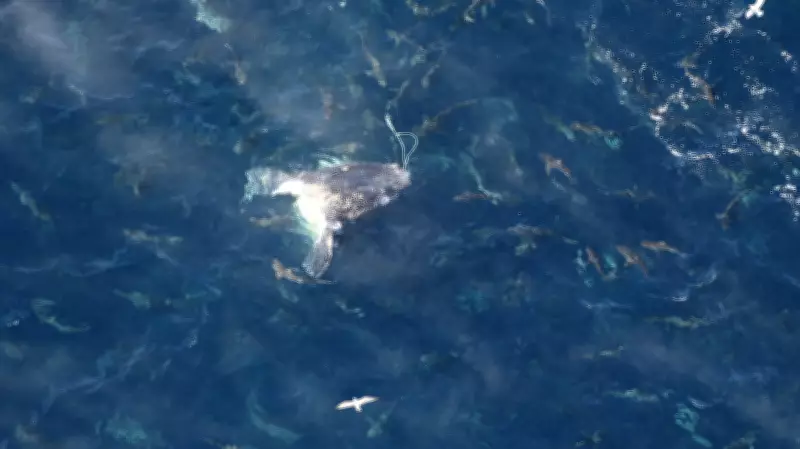
A North Atlantic right whale, one of the world's most critically endangered marine mammals, has been discovered dead off the coast of North Carolina. The finding, reported on February 2, 2026, adds to the growing concerns about the survival of this iconic species in Atlantic waters, including those adjacent to Canada.
Details of the Discovery and Immediate Concerns
The deceased whale was identified as a North Atlantic right whale, a species with an estimated population of fewer than 360 individuals. The carcass was found in waters off North Carolina, a region that serves as a migratory corridor and occasional habitat for these whales. While the exact cause of death remains under investigation, this incident highlights the ongoing threats facing the species, such as vessel strikes, entanglement in fishing gear, and changing ocean conditions.
This mortality event is particularly alarming given the species' precarious status. North Atlantic right whales have been listed as endangered for decades, with conservation efforts in Canada and the United States focusing on reducing human-induced fatalities. The discovery off North Carolina may prompt renewed calls for enhanced protective measures in Atlantic shipping lanes and fishing areas.

Broader Implications for Marine Conservation
The death of this whale underscores the fragile state of marine ecosystems in the North Atlantic. Researchers and conservation groups, including those in Canada, monitor right whale populations closely due to their significance as indicators of ocean health. Each loss represents a setback for recovery programs aimed at preventing extinction.
In recent years, collaborative initiatives between Canadian and American authorities have sought to mitigate risks to right whales. These include seasonal speed restrictions for vessels, modified fishing practices, and increased surveillance. However, incidents like this demonstrate the persistent challenges in safeguarding migratory species across international boundaries.
Next Steps and Ongoing Monitoring
Authorities are expected to conduct a necropsy to determine the precise cause of death, which could provide valuable data for future conservation strategies. The findings may influence policy discussions on marine protection, especially in areas where right whales are known to frequent.
As climate change and human activities continue to impact marine environments, the plight of the North Atlantic right whale serves as a stark reminder of the urgency for sustained conservation efforts. Protecting these whales requires ongoing commitment from governments, industries, and the public to ensure their survival for generations to come.