Northern Ontario Community and Rescue Team Unite to Save Injured Wolf
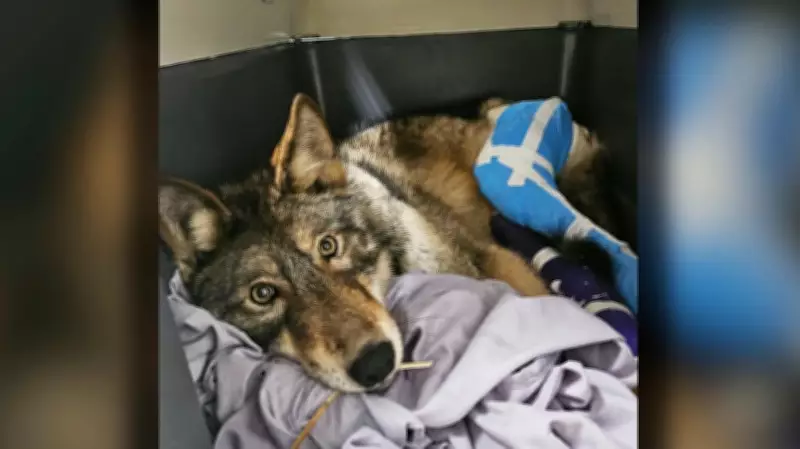
In a heartening display of community action and wildlife care, residents of Hagar, along with a dedicated animal rescue organization in northern Ontario, mobilized swiftly last week to aid a wolf that had been struck by a vehicle on Highway 17. This incident underscores the ongoing challenges and compassionate responses involved in protecting local fauna in remote regions.
Immediate Response to a Critical Situation
The rescue unfolded when a driver, traveling on Highway 17, accidentally hit the wolf, prompting an urgent call for assistance. Upon receiving the alert, local residents in the Hagar area sprang into action, coordinating with the animal rescue group to locate and secure the injured animal. Their quick thinking and collaboration were crucial in preventing further harm and ensuring the wolf received timely medical attention.
Highway 17, a major transportation route in northern Ontario, is known for its scenic beauty but also poses risks to wildlife due to high traffic volumes. This event highlights the persistent issue of vehicle-animal collisions in the region, which can have devastating consequences for both animals and motorists.

Role of Animal Rescue Groups in Northern Ontario
The involved animal rescue group, which specializes in wildlife rehabilitation, played a pivotal role in the operation. Their expertise in handling injured animals, particularly wolves, ensured that the creature was stabilized and transported to a facility for proper care. This incident showcases the vital work of such organizations in northern Ontario, where they often rely on community support and volunteers to address wildlife emergencies.
Northern Ontario is home to diverse ecosystems, and wolves are an integral part of the local biodiversity. Efforts like this rescue not only save individual animals but also contribute to broader conservation goals, helping maintain healthy populations and ecological balance.
Broader Implications for Wildlife Conservation
This successful rescue serves as a reminder of the importance of public awareness and proactive measures to reduce wildlife-vehicle conflicts. Initiatives such as wildlife crossings, reduced speed zones in high-risk areas, and community education programs can help mitigate such incidents in the future.
Moreover, the collaboration between residents and rescue groups exemplifies how local communities can take an active role in environmental stewardship. By working together, they demonstrate a commitment to preserving northern Ontario's natural heritage for future generations.
As climate change and human development continue to impact wildlife habitats, stories like this underscore the need for ongoing support for conservation efforts and emergency response networks in remote areas.