Scientists Stunned as Chimpanzees Turn on Friends in Lethal Spree
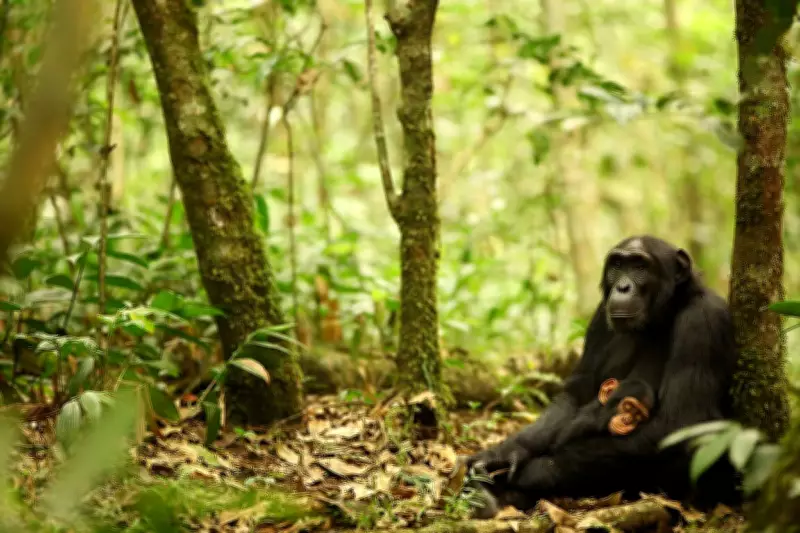
In a development that has left primatologists reeling, researchers have documented a shocking series of lethal attacks among chimpanzees in Uganda's Kibale National Park. The violent incidents, which saw chimpanzees turning on members of their own social group, challenge fundamental assumptions about primate social behavior and the nature of aggression within these intelligent animals.
Unprecedented Violence Among Social Bonds
The Ngogo chimpanzee community, long studied for its complex social dynamics, has become the site of what scientists are describing as a killing spree. What makes these attacks particularly disturbing is that they involved chimpanzees attacking individuals with whom they had established social relationships, including grooming partners and feeding companions. This represents a significant departure from previously observed patterns of chimpanzee violence, which typically involved conflicts between different communities or targeted aggression toward outsiders.
Researchers from multiple institutions, including UCLA, have been monitoring the Ngogo chimpanzees for decades, making this sudden escalation in within-group violence all the more surprising. The chimpanzees involved in these attacks were not strangers to one another but rather members of the same tightly-knit social network that had coexisted for years without such extreme violence.

Challenging Established Scientific Understanding
This unprecedented behavior forces scientists to reconsider long-held theories about chimpanzee social structure and aggression. Traditional models of chimpanzee violence have emphasized inter-group competition as the primary driver of lethal aggression, with within-group conflicts typically resolved through displays of dominance rather than fatal violence. The recent killings suggest that chimpanzee social dynamics may be more complex and potentially more volatile than previously understood.
Several factors may be contributing to this disturbing behavioral shift:
- Environmental pressures from habitat changes in the region
- Increased competition for diminishing resources
- Social stress within the chimpanzee community
- Potential leadership struggles following the death of dominant males
Implications for Primate Research and Conservation
The lethal attacks have significant implications for both scientific understanding and conservation efforts. Researchers must now reconsider how they interpret chimpanzee social behavior and aggression, potentially revising models that have guided primatology for decades. This development also highlights the importance of long-term field studies, as only through sustained observation could such a dramatic behavioral shift be properly documented and analyzed.
From a conservation perspective, the violence raises concerns about the health of the Ngogo chimpanzee community and the pressures they may be facing in their protected habitat. While Kibale National Park provides legal protection, chimpanzees throughout Africa face numerous threats including:
- Habitat fragmentation from human encroachment
- Climate change impacts on food sources
- Disease transmission from human populations
- Illegal hunting and wildlife trafficking
This disturbing development serves as a stark reminder of how much we still have to learn about our closest living relatives and the complex factors that shape their behavior in the wild. As research continues, scientists hope to better understand what triggered this unprecedented violence and what it might mean for the future of chimpanzee communities across Africa.