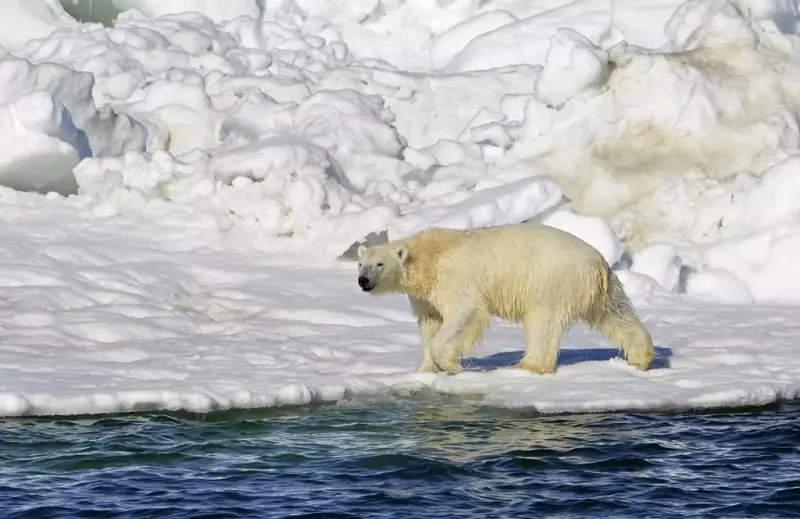
In a remarkable observation that challenges our understanding of polar bear social structures, researchers in Canada have documented a rare instance of adoption within the species. The event, where an adult female polar bear was seen caring for a cub that was not her own, provides a fascinating glimpse into the complex behaviors of these iconic Arctic predators.
An Uncommon Act of Care in the Arctic
The discovery was made by a team of Canadian scientists monitoring polar bear populations. While infanticide and aggression between bears are more commonly recorded, this act of nurturing an unrelated offspring is exceptionally rare in the wild. The researchers noted that the female bear was seen providing food and protection to the adopted cub, treating it as her own. This behavior suggests a level of social flexibility and perhaps even compassion that is not widely attributed to solitary animals like polar bears.
Insights into Social Behavior and Survival
The observation, dated in the research notes, adds a significant data point to the study of polar bear ecology. Scientists are now analyzing whether this behavior could be linked to environmental pressures, such as those caused by climate change and shrinking sea ice, which may be forcing changes in traditional bear interactions. Understanding such rare social bonds is crucial for predicting how these animals might adapt to a rapidly changing Arctic environment. The adoption event highlights the potential for unexpected social strategies that could influence individual survival rates.

Implications for Conservation Efforts
This rare case of cross-parental care has broader implications for wildlife conservation and management policies. Documenting such nuanced behavior helps conservationists appreciate the complexity of polar bear societies, moving beyond viewing them merely as solitary hunters. It underscores the importance of protecting not just individual bears, but the social and environmental contexts that allow for such rare interactions to occur. As the Arctic continues to warm at an unprecedented rate, these insights become vital for creating effective, informed strategies to safeguard the future of polar bears and their ecosystem.