Wildlife Organization Files Report After Bear Cub Suffers Burns in Slash Pile Incident
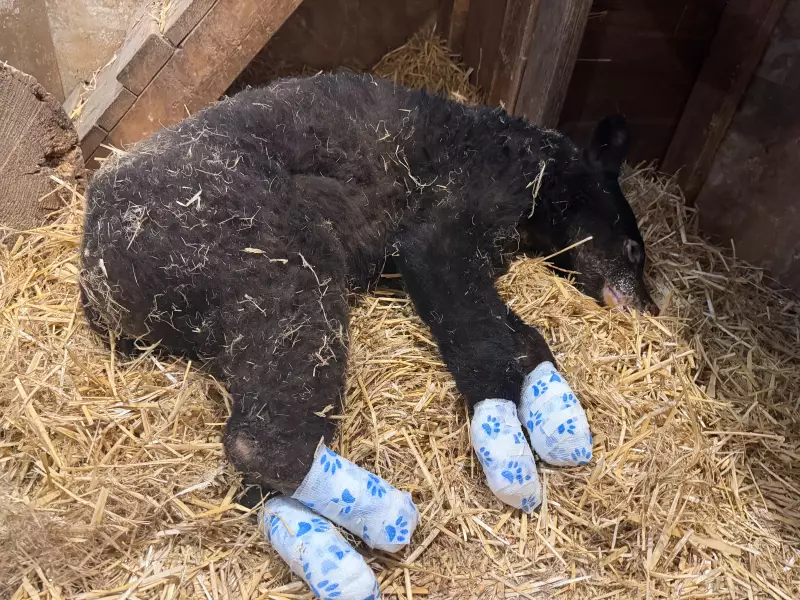
A distressing wildlife incident in British Columbia has prompted a formal report from a local animal rescue organization. The case involves a black bear cub discovered in severe distress, suffering from significant burns and exposure to harsh winter conditions.
Discovery and Rescue of the Injured Cub
Rescuers located the young bear in snowy terrain during sub-zero temperatures. The animal was found to have sustained serious burn injuries, adding to the challenges of surviving the freezing environment. Wildlife experts believe the burns resulted from a slash pile burn, a common forestry practice where debris is intentionally set ablaze.
The cub's condition required immediate intervention from specialized wildlife caregivers. The rescue team worked quickly to stabilize the animal, addressing both the burn wounds and the effects of extreme cold exposure.

Formal Documentation and Investigation
The wildlife organization has now filed an official report detailing the circumstances surrounding the cub's injuries. This documentation serves multiple purposes, including tracking wildlife incidents, informing conservation practices, and potentially influencing forestry management protocols.
Slash pile burns are regulated activities in British Columbia's forestry sector, designed to reduce wildfire fuel and prepare land for replanting. However, this incident raises questions about timing, location, and safety measures surrounding these controlled burns.
Recovery Challenges and Long-term Outlook
Veterinary specialists treating the cub emphasize the difficult road to recovery ahead. Burn injuries in wildlife present unique complications, including infection risks, mobility issues, and psychological trauma. The additional stress of hypothermia and malnutrition further complicates the rehabilitation process.
Wildlife rehabilitation centers in British Columbia have extensive experience with injured bears, but each case presents distinct challenges. The cub will require months of specialized care before any potential release back into suitable habitat can be considered.
Broader Implications for Wildlife Management
This incident highlights the ongoing tension between industrial forestry practices and wildlife conservation in British Columbia. While slash burning serves important forestry management purposes, it occasionally results in unintended consequences for local fauna.
Wildlife organizations use such reports to:
- Document patterns of human-wildlife conflict
- Advocate for improved safety measures
- Inform public education about coexisting with wildlife
- Guide policy discussions around industrial practices
The filed report will contribute to existing data on wildlife incidents related to forestry operations, potentially influencing future guidelines for slash pile burning seasons and safety protocols.