Coastal Wolves Demonstrate Remarkable Problem-Solving Skills
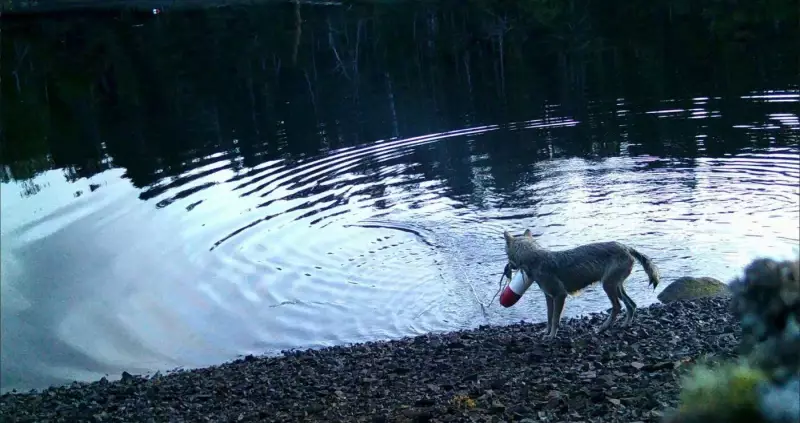
Researchers in British Columbia have documented what appears to be the first evidence of tool use by wolves, a groundbreaking discovery that challenges our understanding of canine intelligence. Coastal wolves near Bella Bella were captured on video using ropes attached to buoys to pull submerged crab traps from the water.
The extraordinary behavior was recorded in November 2025 and represents a significant milestone in wildlife research. According to scientists, this marks the first documented case of potential tool use by wild wolves anywhere in the world.
Detailed Observation of Hunting Technique
The footage shows sea wolves, a unique coastal subspecies, manipulating buoy lines with their mouths to access the food contained within crab traps. Researchers observed the wolves pulling steadily on the ropes until the traps reached the surface, then working to open them and extract the captured crabs.

Dr. Kyle Artelle, whose team captured the remarkable behavior, described the wolves as demonstrating sophisticated problem-solving abilities previously undocumented in the species. The wolves appeared to understand the connection between the floating buoys, the ropes, and the submerged food source.
Implications for Wildlife Research and Conservation
This discovery has significant implications for how scientists understand wolf intelligence and adaptability. The behavior suggests that coastal wolves have developed specialized hunting techniques to exploit marine resources in their unique environment.
Conservationists note that these findings highlight the importance of protecting coastal wolf populations and their habitats. The sea wolves of British Columbia represent a distinct ecological adaptation that continues to surprise researchers with their behavioral complexity.
The research team plans to continue monitoring these wolves to better understand how widespread this tool-use behavior might be among coastal populations and whether it represents learned behavior passed between generations.