British Columbia Achieves Record Low in Black Bear Fatalities for 2025
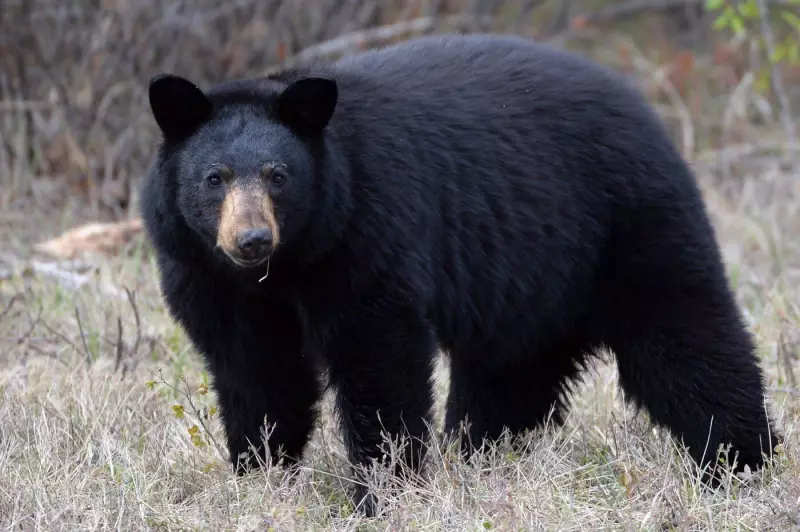
Conservation officers in British Columbia have reported a historic milestone in wildlife management, with the lowest number of black bears killed recorded for the year 2025. This announcement highlights a significant shift in the province's approach to human-bear conflicts and underscores ongoing efforts to promote coexistence.
A Notable Decline in Bear Mortalities
The data, released by provincial authorities, reveals a marked reduction in black bear fatalities compared to previous years. While specific figures were not disclosed in the initial report, officials emphasized that this trend reflects improved strategies in bear management and public education. Key factors contributing to this decline include:
- Enhanced public awareness campaigns on securing attractants like garbage and food waste.
- Increased use of non-lethal deterrents and relocation efforts by conservation officers.
- Collaborative initiatives with local communities to reduce human-bear encounters.
Context and Conservation Efforts
Black bears are a common species across British Columbia, often coming into contact with human settlements, especially in regions like Vancouver Island and the Interior. Historically, such interactions have sometimes led to bears being destroyed for public safety reasons. However, the 2025 data suggests a positive turn, aligning with broader provincial goals for wildlife conservation.

Conservation officers attribute this success to a proactive and science-based approach that prioritizes prevention over reaction. By focusing on habitat protection and community engagement, B.C. aims to sustain this downward trend in bear mortalities. This achievement also resonates with global efforts to protect biodiversity and manage wildlife-human conflicts more ethically.
Implications for Future Policy
The record low in black bear killings sets a precedent for other jurisdictions grappling with similar issues. It demonstrates that with coordinated efforts, it is possible to balance public safety with wildlife preservation. Moving forward, B.C. plans to continue refining its strategies, potentially incorporating more technology and research to monitor bear populations and behaviors.
This development is particularly relevant amid growing concerns about climate change and habitat loss, which can exacerbate human-wildlife conflicts. By reducing bear fatalities, British Columbia not only safeguards a keystone species but also fosters a healthier ecosystem for all residents.