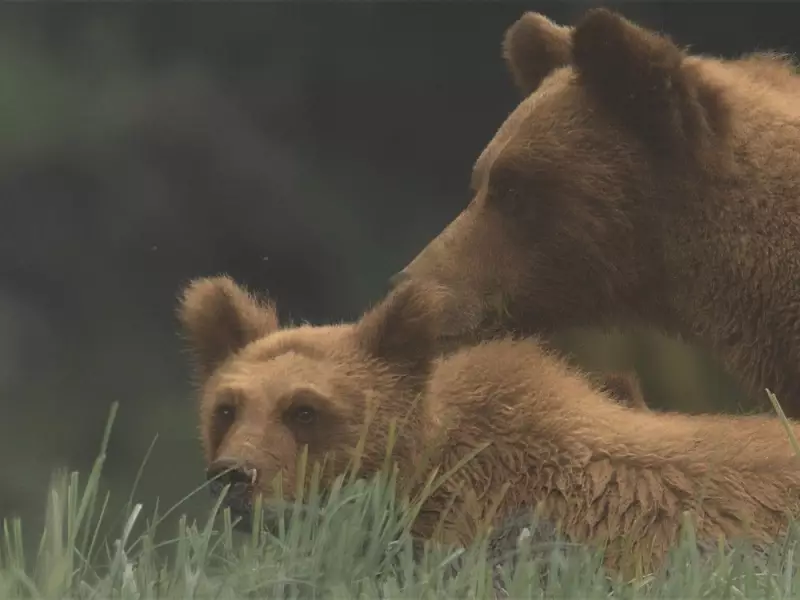
B.C. Grizzly Bears Take Center Stage in Groundbreaking Wildlife Series
Awe-inspiring British Columbia grizzly bears are the featured stars in the premiere episode of Animal Nation, a new wildlife documentary series that represents a significant collaboration with Indigenous communities across North America. The series, which examines seven keystone species crucial to their ecosystems, made its debut on APTN on January 8, 2026, with new episodes airing every Thursday and available for streaming on APTN lumi.
Indigenous Knowledge and Conservation at the Forefront
Created under the 2Ducks Media banner by producers Jesse Bochner and Ari A. Cohen, Animal Nation represents a deliberate effort to incorporate Indigenous perspectives that have often been missing from mainstream nature documentaries. The one-hour episodes—titled Bear, Beaver, Bison, Caribou, Eagle, Salmon, and Wolf—are narrated by acclaimed actor Tantoo Cardinal and blend stunning wildlife cinematography with traditional Indigenous knowledge, culture, and conservation practices.
"We wanted to include a lot of those missing voices," explained Montreal-based Ojibway filmmaker Jesse Bochner. "You have these communities that have been living alongside these animals for thousands and thousands of years, before recorded history. There's a vast amount of knowledge and learning and understanding that goes into these animals."

British Columbia's Breathtaking Landscapes Provide Backdrop
The series opens with the episode Bear, filmed extensively in British Columbia's Elkford, Cranbrook, and East Kootenay areas within Ktunaxa territory. These regions have been the focus of decades-long conservation efforts by the Ktunaxa Nation, including opposition to major ski development proposals that threatened the delicate ecosystem.
The production also visited the Khutzeymateen Grizzly Bear Sanctuary, located 45 kilometres northwest of Prince Rupert. Established through a landmark 1994 agreement between the British Columbia government and the Tsimshian First Nation, this sanctuary represents Canada's first protected area specifically designated for grizzly bears and their habitat.
Intimate Wildlife Footage Captures Bear Behavior
The cinematography in Animal Nation achieves remarkable intimacy with its subjects, capturing natural behaviors rarely seen by human observers. Cameras recorded a male grizzly stalking a mother and her cubs—a behavior driven by the male's instinct to eliminate potential future competition—as well as tender moments of the same female later nursing her cubs at the base of a tree.
Bochner expressed amazement at working in British Columbia's wilderness: "Sometimes you just got to say, 'Holy guacamole.' Wandering through the mountains and the roads and the valleys of British Columbia, every time you turn around, there's an incredible picture postcard of a landscape. And then there's beavers and bears and eagles and everything."
He recounted a particularly memorable moment: "I can be standing on the beach worrying about, 'Are we getting our shots? Are we on time? What's the schedule like for our interviews?' And then you look to your left and, in a tree not 10 paces away, there are two dozen giant bald eagles just sitting in the tree, staring down at me, wondering if I'm a delicious fish or not. And that's an amazing thing."
A New Approach to Nature Documentary
Animal Nation represents a significant evolution in wildlife filmmaking, moving beyond traditional nature documentary formats to incorporate Indigenous voices and perspectives that have been historically underrepresented. The series not only showcases the beauty and behavior of North America's keystone species but also highlights the deep connections between Indigenous communities and the animals that share their territories.
By blending scientific observation with traditional knowledge, the series offers viewers a more comprehensive understanding of these animals' roles in their ecosystems and the conservation challenges they face. The collaboration with Indigenous communities throughout the production process ensures authentic representation and honors the longstanding relationships between these communities and the wildlife featured in the series.