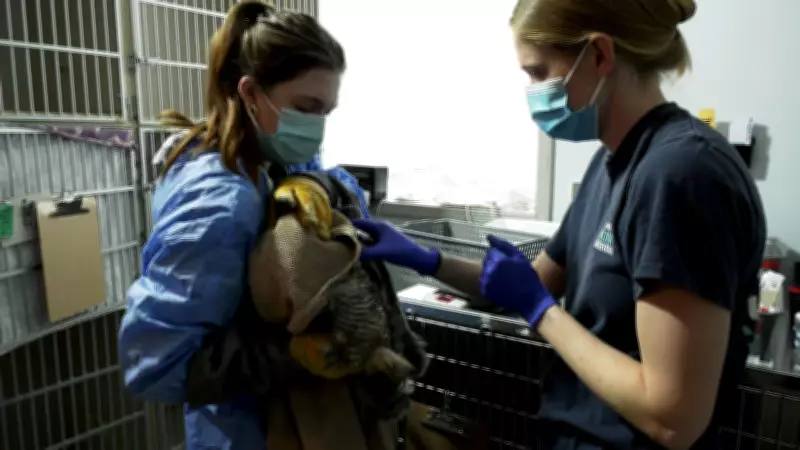
Alberta Wildlife Rehabilitation Facility Reports Unprecedented Patient Numbers in 2025
The Alberta Institute of Wildlife Conservation (AIWC) has announced a significant milestone, revealing that their wildlife rehabilitation facility in Calgary cared for a record number of animals throughout the year 2025. This surge in patient intake underscores the increasing demands placed on wildlife rescue and recovery services across the province.
Record-Breaking Year for Animal Care
According to staff at the institute, the facility experienced an unprecedented influx of wildlife requiring medical attention and rehabilitation. The exact number of animals treated has not been disclosed, but officials confirm it represents the highest annual total in the organization's history. This trend points to broader environmental and human-wildlife interaction factors contributing to more animals in distress.
Factors Behind the Rising Intake
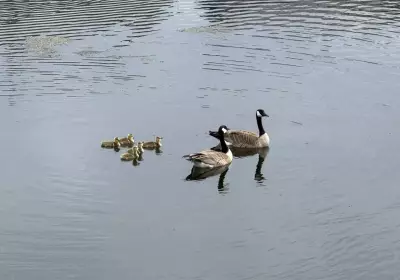
While specific causes for the record numbers were not detailed in the initial report, wildlife rehabilitation experts often cite several common reasons for increased animal admissions. These can include habitat loss due to urban expansion, vehicle collisions, severe weather events linked to climate change, and accidental encounters with human infrastructure. The AIWC's work is critical in providing specialized care for injured, orphaned, or sick wildlife, with the goal of releasing them back into their natural habitats.

The institute's efforts are part of a larger network of conservation initiatives in Alberta, aimed at protecting native species and maintaining ecological balance. The record intake in 2025 may prompt further analysis into wildlife population health and the effectiveness of current conservation strategies.
Implications for Wildlife Conservation
This development highlights the vital role that rehabilitation facilities play in supporting biodiversity. As human activities continue to impact natural environments, the need for such services is likely to grow. The AIWC's experience serves as a reminder of the ongoing challenges faced by wildlife and the dedicated professionals working to mitigate these issues.
Increased public awareness and community support are essential to sustain these rehabilitation efforts. Volunteers, donations, and educational programs contribute significantly to the institute's ability to handle rising patient loads and advance wildlife conservation goals.