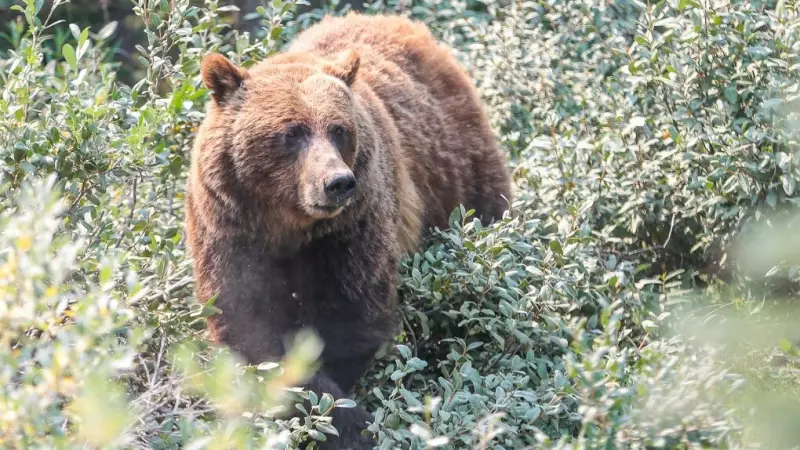
The Alberta government is conducting a comprehensive review of its long-standing policy protecting grizzly bears, opening the door to a potential reversal of a hunting prohibition that has been in place for twenty years. Provincial officials confirm that no option is off the table as they assess the current status of the species and its interactions with humans and landscapes.
Re-evaluating a Landmark Conservation Policy
Instituted in 2005, the ban on hunting grizzly bears was a landmark conservation measure aimed at allowing the threatened population to recover. The move followed years of concern from biologists and environmental groups about declining numbers. Now, two decades later, the provincial government indicates that a reassessment is warranted. The review is considering scientific data on current grizzly bear populations, their distribution, and trends in human-bear conflicts. Officials emphasize that any future decision will be grounded in the latest research and management practices.
Factors Driving the Policy Review
Several key factors are influencing the current examination of the hunting ban. Primary among them is evidence suggesting that certain grizzly bear populations in the province have shown signs of recovery since protections were implemented. Concurrently, reports of encounters between bears and humans, particularly in rural and interface communities, have periodically made headlines, raising questions about coexistence strategies. The government's statement, "We're looking at everything," underscores a broad-scope approach that weighs ecological recovery against public safety and the interests of various stakeholder groups, including agricultural producers and outfitters.

Potential Implications and Next Steps
The possibility of lifting the ban is a contentious issue that sits at the intersection of wildlife conservation, rural livelihoods, and recreational hunting. Proponents of maintaining the ban argue that grizzlies remain a vulnerable species requiring continued protection for long-term genetic health and ecosystem balance. Others suggest that a carefully regulated, science-based harvest could be a tool for managing specific populations and mitigating conflict hotspots. The final decision, expected after the review concludes, will have significant implications for Alberta's wildlife management framework. The province has not provided a specific timeline for when its evaluation will be complete or when any potential policy changes might be announced.
This development places Alberta at the center of a national conversation about large carnivore management, balancing recovery success with ongoing challenges in shared habitats.