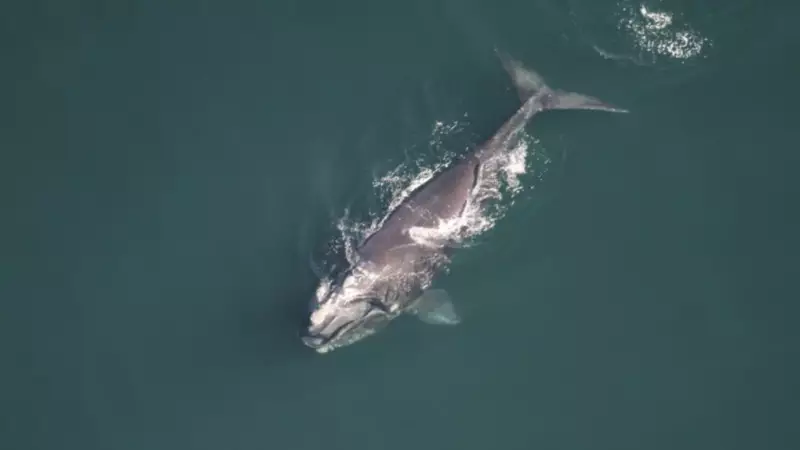
North Atlantic Right Whale Population Welcomes 19 New Calves in Latest Season
The critically endangered North Atlantic right whale has experienced a modest but encouraging reproductive season, with researchers documenting the birth of 19 new calves. This development offers a glimmer of hope for a marine mammal species that has been teetering on the brink of extinction due to human activities and environmental pressures.
A Vital Boost for a Critically Endangered Species
Each new calf represents a crucial addition to a population that numbers fewer than 360 individuals, with only approximately 70 reproductively active females remaining. The North Atlantic Right Whale Consortium, which monitors the species, has confirmed these births through aerial surveys and photographic identification along the whales' migratory route from calving grounds off the southeastern United States to feeding areas in Canadian waters.
This season's calf count marks a significant improvement from recent years when alarmingly low birth rates raised concerns about the species' ability to recover. While 19 calves represent positive momentum, conservationists emphasize that this number remains below historical averages and insufficient to offset mortality rates from ship strikes and fishing gear entanglements.

Ongoing Conservation Challenges and Efforts
Despite this encouraging reproductive season, North Atlantic right whales face persistent threats that continue to jeopardize their survival:
- Vessel collisions in busy shipping lanes along the eastern seaboard
- Entanglement in fishing gear, particularly from lobster and crab fisheries
- Climate change impacts altering prey distribution and migration patterns
- Ocean noise pollution disrupting communication and feeding behaviors
Canadian and American authorities have implemented various protective measures, including seasonal speed restrictions for vessels, fishing gear modifications, and area closures during critical periods. However, enforcement remains challenging, and conservation groups continue to advocate for more comprehensive protections.
The Importance of Long-Term Monitoring
Researchers from the North Atlantic Right Whale Consortium and other scientific organizations conduct year-round monitoring to track individual whales, document births and deaths, and assess health conditions. This meticulous work provides essential data for conservation policy decisions and helps identify particularly vulnerable individuals requiring intervention.
The 19 calves born this season will be closely monitored as they mature, with researchers noting their mothers' identities, growth rates, and migration patterns. Successful weaning and survival to adulthood will be critical for these newborns to contribute to population recovery.
While this season's calf count offers reason for cautious optimism, marine biologists emphasize that sustained conservation efforts and international cooperation remain essential for the North Atlantic right whale's long-term survival. The species' recovery depends on addressing multiple threats simultaneously while supporting reproductive success through protected habitats and reduced human impacts.