Waterloo Region's Water Capacity Challenges: Solutions on the Horizon
Key stakeholders and municipal officials in Waterloo Region are preparing to address a pressing infrastructure issue that has been looming over the community. The region's water capacity problem, which has raised concerns about long-term sustainability and growth management, is now set to be tackled head-on with a series of proposed solutions.
Formal Presentation to Council
A comprehensive package of potential remedies and strategic initiatives will be formally presented to the Waterloo Region council in the coming days. This presentation marks a critical step in the municipal decision-making process, as council members will review the detailed proposals that aim to ensure reliable water supply for residential, commercial, and industrial needs across the region.
The timing of this presentation comes after extensive analysis and consultation with water management experts, environmental scientists, and urban planning specialists. The proposed solutions are expected to encompass both short-term operational adjustments and long-term infrastructure investments, reflecting a balanced approach to addressing immediate concerns while planning for future demands.

Regional Water Infrastructure Under Scrutiny
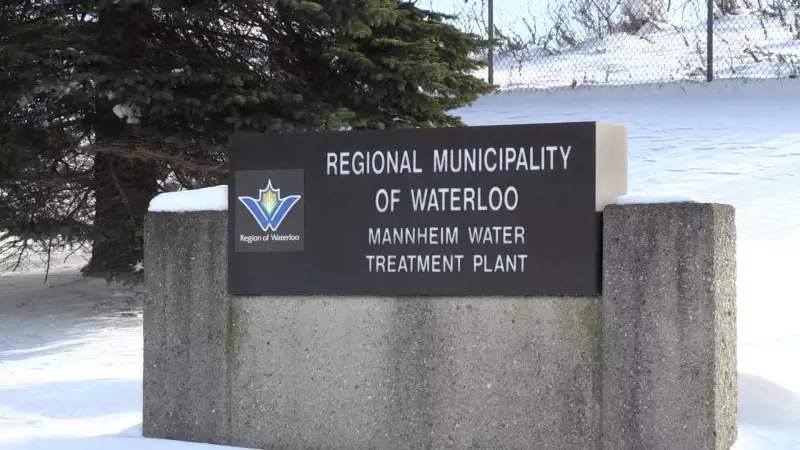
Waterloo Region's water system, which serves communities including Kitchener, Waterloo, and Cambridge, has been operating under increasing strain due to population growth, industrial expansion, and changing environmental conditions. The Mannheim Reservoir and Pumping Station in Kitchener, a crucial component of the regional water network, has been particularly highlighted in recent assessments as requiring attention and potential upgrades.
Municipal staff and consulting engineers have been examining various approaches to enhance water storage, distribution efficiency, and treatment capacity. These investigations have considered technological innovations, conservation strategies, and infrastructure modernization options that could collectively strengthen the region's water resilience.
Balancing Growth and Sustainability
The forthcoming council presentation is expected to address the delicate balance between supporting continued regional development and maintaining sustainable water practices. Proposed solutions may include:
- Infrastructure upgrades to existing water treatment and distribution facilities
- Implementation of advanced water conservation and monitoring technologies
- Strategic partnerships with neighboring municipalities for resource sharing
- Revised water usage policies for industrial and agricultural sectors
- Public education initiatives to promote residential water conservation
Council members will need to carefully evaluate the financial implications, environmental impacts, and implementation timelines associated with each proposed solution. The decision-making process will likely involve multiple rounds of discussion, public consultation opportunities, and potential revisions before any final approvals are granted.
Community Impact and Next Steps
The outcome of these deliberations will have significant implications for Waterloo Region residents and businesses. A robust water capacity solution is essential not only for current quality of life but also for attracting future investment and supporting sustainable community growth.
Following the initial presentation, council is expected to schedule dedicated sessions for deeper examination of the proposed solutions. These discussions will provide opportunities for technical experts to elaborate on their recommendations and for council members to seek clarification on specific aspects of the proposed water management strategies.
The region's approach to resolving its water capacity challenges may serve as a model for other Canadian municipalities facing similar infrastructure pressures. As climate patterns continue to evolve and urban populations grow, innovative water management solutions become increasingly vital for community resilience and prosperity.