Waterloo Region Grapples with Water Capacity Crisis as Councillors Explore Solutions
The Region of Waterloo finds itself in a state of uncertainty as it confronts a pressing water capacity crisis, with local councillors actively considering a range of potential solutions to address this critical infrastructure challenge. The situation has placed the region in a precarious position, highlighting the urgent need for strategic planning and investment to ensure a reliable water supply for its growing population.
Infrastructure Under Strain
Recent assessments have revealed that the region's water infrastructure is operating at or near capacity limits, raising concerns about its ability to meet current and future demands. This crisis stems from a combination of factors, including population growth, aging systems, and environmental pressures that have strained existing resources. Councillors are now tasked with navigating complex decisions to bolster water capacity while balancing budgetary constraints and community needs.
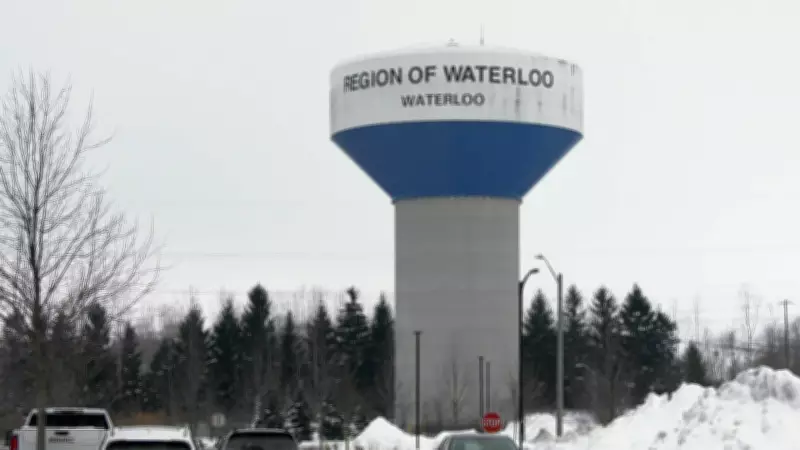
The water tower for the Region of Waterloo, photographed in December 2025, serves as a visible symbol of the infrastructure at the heart of this issue. As discussions unfold, officials emphasize that proactive measures are essential to prevent service disruptions and support sustainable development across Kitchener, Waterloo, Cambridge, and surrounding areas.

Evaluating Potential Solutions
Local leaders are exploring multiple avenues to mitigate the crisis, including infrastructure upgrades, conservation initiatives, and innovative water management strategies. Proposals under consideration involve investments in new treatment facilities, pipeline expansions, and technologies to enhance efficiency and reduce waste. Councillors are also examining regulatory adjustments and partnerships with provincial authorities to secure funding and expertise.
Public engagement is expected to play a key role in shaping the response, as residents and businesses voice their concerns and priorities. The region's history of environmental stewardship adds complexity to the debate, with many advocating for solutions that align with long-term sustainability goals and climate resilience.
Broader Implications and Next Steps
This water capacity crisis underscores broader challenges facing municipalities across Canada, where aging infrastructure and rapid urbanization often outpace planning and investment. In Waterloo Region, the outcome of council deliberations could set a precedent for how similar issues are addressed in other communities grappling with resource limitations.
As councillors weigh their options, the urgency of the situation is clear: delays or inadequate responses could exacerbate risks to public health, economic stability, and environmental quality. The region's ability to navigate this limbo will depend on collaborative leadership, evidence-based decision-making, and a commitment to securing a resilient water future for all residents.