Water Capacity Concerns Intensify in Waterloo Region Amid Growing Demand
Waterloo Region is confronting significant water capacity concerns as its infrastructure faces mounting pressure from rapid population growth and environmental factors. A recent assessment highlights the critical state of water resources in the area, with regional officials emphasizing the need for immediate action to address potential shortages.
Infrastructure Under Strain
The Region of Waterloo's water systems, including key assets like water towers, are experiencing unprecedented strain. Population expansion and increased residential and commercial development have escalated water consumption rates, pushing existing capacities to their limits. This situation is exacerbated by variable climate patterns, which can affect water supply reliability.
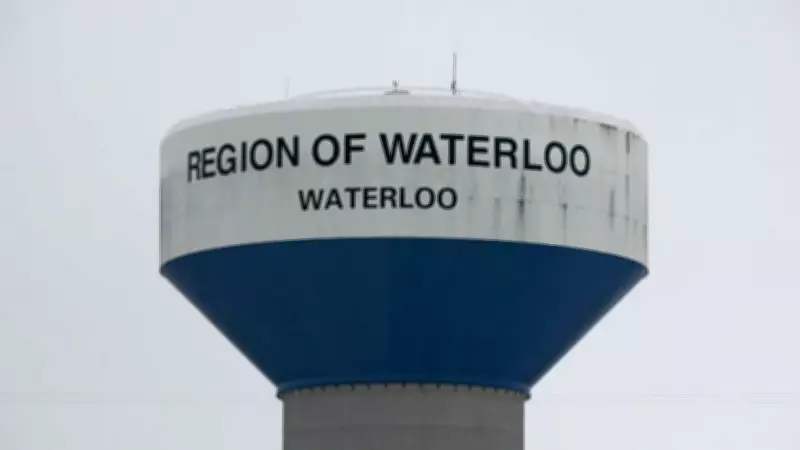
Local authorities have been monitoring water levels closely, with data indicating that current infrastructure may not suffice to meet future demands without upgrades. The water tower, a vital component of the distribution network, symbolizes the broader challenges in maintaining adequate water pressure and storage.

Regional Response and Planning
In response to these concerns, Waterloo Region has initiated comprehensive reviews of its water management strategies. Key initiatives include:
- Evaluating long-term water supply projections to anticipate future needs.
- Investing in infrastructure enhancements, such as upgrading water treatment facilities and expanding storage capacities.
- Promoting water conservation programs among residents and businesses to reduce overall usage.
These measures aim to bolster resilience against potential water shortages and ensure sustainable access for all communities within the region. Collaboration with provincial agencies is also underway to align regional efforts with broader environmental and regulatory frameworks.
Broader Implications for Municipal Governance
The water capacity issues in Waterloo Region reflect a larger trend affecting many Canadian municipalities, where aging infrastructure and growing populations create complex challenges. Effective water management is crucial not only for public health and safety but also for economic stability and environmental stewardship.
As the region moves forward, ongoing public engagement and transparent reporting will be essential to build community trust and support for necessary investments. The situation underscores the importance of proactive planning in the face of urban development and climate uncertainty.