Saskatoon Fire Department Issues Critical Warning as Windchill Approaches -50°C
With a brutal cold snap gripping Saskatchewan and much of Canada, the Saskatoon Fire Department is urging residents to exercise extreme caution as windchill values approach the dangerous -50°C mark. Environment and Climate Change Canada has issued severe cold warnings, emphasizing that frostbite can develop on exposed skin within minutes under these conditions.
Record-Breaking Cold Grips the Prairies
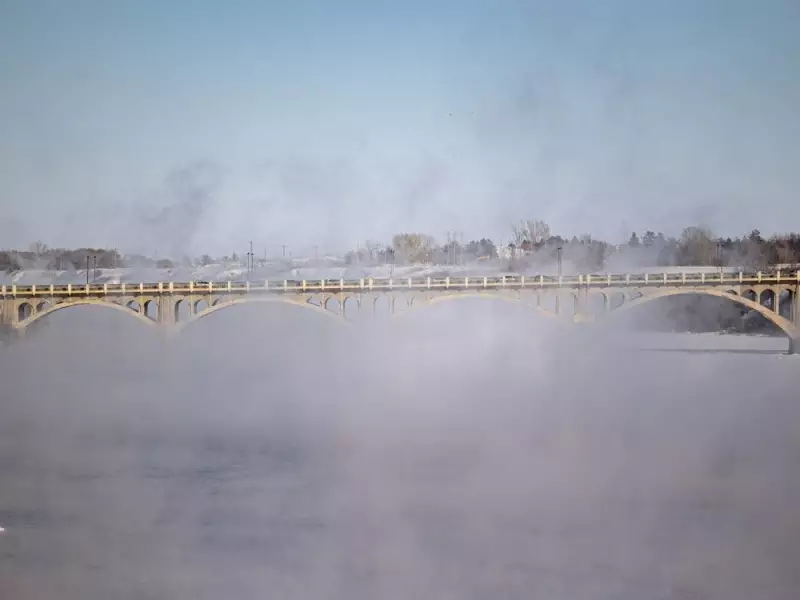
On Friday morning, Saskatoon residents awoke to temperatures of -38°C with a windchill making it feel like -48°C. In Regina, temperatures reached -35°C but felt like -46°C with windchill factored in. This extreme cold represents one of the most severe weather events of the winter season, affecting transportation, infrastructure, and daily life across the province.
"Cover up. Frostbite can develop within minutes on exposed skin, especially with the windchill," Environment and Climate Change Canada stated in their official cold warning. The agency recommends limiting outdoor exposure and ensuring all skin is properly covered when venturing outside.

Increased Fire and Carbon Monoxide Risks
Saskatoon Fire Marshal Ryan Bradley emphasized that extreme cold weather often leads to increased incidents of fires and carbon monoxide poisoning. "When it's cold, we want to stay inside and keep warm," Bradley explained. "But that's also when our heating systems work the hardest. Furnaces run more often, and frost or ice can quickly build-up around chimneys, fresh-air intakes and exhaust vents."
Bradley warned that blocked vents can cause dangerous gases like carbon monoxide to back up into homes, creating potentially lethal situations. He urged residents to take preventive measures to ensure their safety during the cold snap.
Essential Safety Recommendations
The Saskatoon Fire Department provided comprehensive safety guidelines for residents facing the extreme cold:
- Keep all exit points clear of snow and ice accumulation
- Regularly inspect appliances and service heating equipment
- Use electricity wisely, avoiding overloading extension cords and power strips
- Test and maintain smoke and carbon monoxide alarms regularly
- Stay warm safely by limiting outdoor time and keeping space heaters at least one metre away from flammable materials
- Never use ovens, stoves, or fuel-burning heaters indoors for supplemental heat
Recognizing Carbon Monoxide Dangers
The fire department highlighted symptoms of carbon monoxide poisoning that residents should recognize:
- Headaches and nausea
- Dizziness and confusion
- Burning eyes and drowsiness
Warning signs in the home include stuffy air, excessive moisture on windows and walls, soot buildup around appliances and vents, yellow flames in natural gas appliances instead of blue flames, and occupants feeling ill at home but better when away.
Warming Locations Available
For those needing shelter from the extreme cold, Saskatoon offers several warming locations:
Overnight warming locations:
- Sawēyihtotān youth drop-in (1420 20th Street West) - 24 hours for those under 25
- Sawēyihtotān women's warm-up (325 Avenue C South) - 24 hours for women 18+
- St. Mary's (211 Avenue O South) - 9 p.m. to 8 a.m. for men 18+
Daytime warming locations include:
- Canadian Mental Health Association (1301 Avenue P North)
- EGADZ (485 First Avenue North)
- Station 20 West (1120 20th Street West)
- Persons Living with AIDS Network of Saskatchewan (127C Avenue D North)
- Saskatoon Friendship Inn (619 20th Street West)
- Prairie Harm Reduction (1516 20th Street West)
- The Bridge on 20th Fellowship Centre (1008 20th Street West)
The Saskatoon Fire Department continues to monitor conditions and reminds all residents that taking proper precautions during this extreme cold event could prevent serious injuries or tragedies. With temperatures expected to remain dangerously low, officials emphasize that community safety requires everyone's attention and cooperation.