Flood Watch Issued for North Gower Area Amid Spring Thaw Concerns
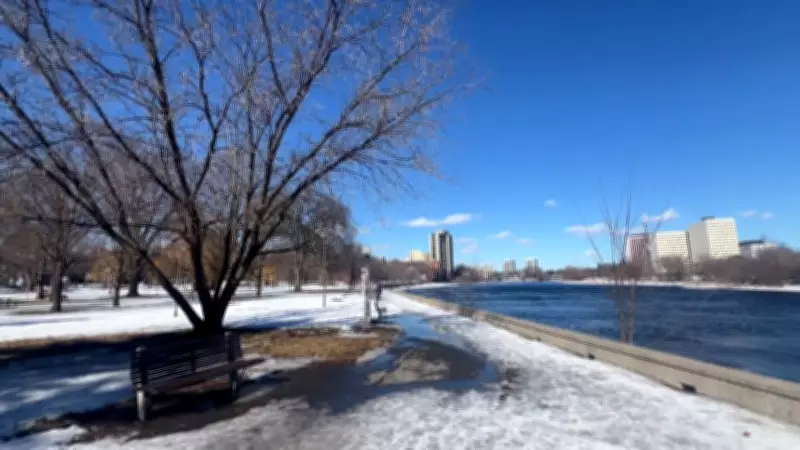
Authorities have issued a flood watch for the North Gower area, signaling heightened vigilance as spring conditions elevate the risk of potential flooding. This alert comes in response to rising temperatures and accelerated snowmelt, which could lead to increased water levels in local waterways, including the Rideau River.
Spring Thaw Poses Significant Flooding Risks
The flood watch underscores the seasonal transition from winter to spring, a period often marked by fluctuating weather patterns that can trigger flooding events. Mild temperatures have been observed recently, contributing to the gradual melting of accumulated snowpack. This natural process, while expected, requires careful monitoring to mitigate any adverse impacts on communities and infrastructure.
Residents in the North Gower region are advised to stay informed about weather updates and prepare for possible flooding scenarios. Local emergency services are on standby, ready to respond if conditions deteriorate. The flood watch serves as a precautionary measure, aiming to ensure public safety and minimize potential damage from water overflow.

Historical Context and Environmental Factors
Spring flooding is a recurring concern in many parts of Canada, driven by a combination of factors such as snowmelt, rainfall, and river ice breakup. In the North Gower area, the Rideau River and its tributaries are particularly susceptible to these dynamics. Climate change may also be influencing these patterns, with extreme weather events becoming more frequent and intense.
Recent years have seen similar alerts issued during the spring season, highlighting the ongoing need for robust flood management strategies. Community preparedness, including the use of sandbags and evacuation plans, plays a crucial role in reducing the impact of flooding on homes and businesses.
Broader Implications and Safety Recommendations
The issuance of this flood watch aligns with broader environmental and public safety initiatives across the region. It reflects a proactive approach to disaster risk reduction, emphasizing the importance of early warning systems and community engagement.
For residents in the affected area, authorities recommend the following precautions:
- Monitor local weather forecasts and official alerts regularly.
- Avoid walking or driving through floodwaters, which can be deeper and faster-moving than they appear.
- Secure valuable items and documents in elevated locations to prevent water damage.
- Follow instructions from emergency personnel and evacuate if advised to do so.
As the spring thaw progresses, continued vigilance will be essential to navigate the potential challenges posed by flooding. The flood watch for North Gower serves as a timely reminder of the need for resilience in the face of natural hazards.