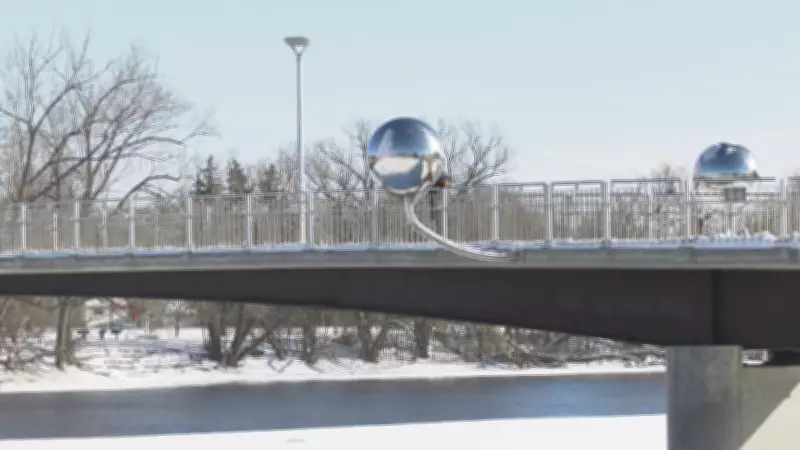
Ottawa Braces for Return of Colder-Than-Normal Temperatures
Residents of Ottawa are being advised to prepare for a notable shift in weather patterns as colder-than-normal temperatures are set to return to the capital region. This forecast comes as a reminder that winter's grip may not be loosening just yet, with potential implications for daily commutes, outdoor activities, and overall comfort.
Weather Patterns and Forecast Details
Meteorological data indicates that a cold air mass is moving into the Ottawa area, bringing with it temperatures that are expected to dip below seasonal averages. This shift follows a period of relatively mild conditions, making the impending drop more pronounced for locals. Experts suggest that the colder spell could persist for several days, with overnight lows potentially reaching concerning levels for those unprepared.
The timing of this temperature decline is particularly noteworthy, as it aligns with typical late-winter fluctuations but may catch some off guard given recent weather trends. Environment Canada and local forecasters are monitoring the situation closely, advising residents to stay updated on any weather advisories or warnings that may be issued.

Impacts on Daily Life and Infrastructure
The return of colder temperatures is likely to affect various aspects of life in Ottawa. Key considerations include:
- Transportation: Icy roads and sidewalks could pose hazards for drivers and pedestrians, necessitating extra caution during travel.
- Home Heating: Households may see increased energy usage as heating systems work harder to maintain comfortable indoor temperatures.
- Outdoor Activities: Recreational plans may need adjustment, with frostbite and hypothermia risks rising in prolonged exposure.
- Infrastructure Stress: Pipes and water systems could be vulnerable to freezing, echoing concerns from recent incidents in other Canadian cities.
It is crucial for residents to take proactive measures, such as ensuring proper insulation, checking heating units, and dressing in layers when venturing outside. Community resources, like warming centers, may become more important if the cold persists.
Broader Context and Regional Comparisons
Ottawa is not alone in experiencing weather challenges; similar cold snaps have been reported across Canada. For instance, recent events in Toronto, where a train derailment led to modified transit schedules, highlight how winter conditions can disrupt transportation networks. Meanwhile, in Nova Scotia, RCMP efforts on missing children cases continue despite weather-related obstacles.
This colder trend in Ottawa also intersects with broader environmental discussions, such as climate change and urban resilience. While short-term fluctuations are normal, long-term data on temperature patterns contribute to ongoing research into how cities adapt to changing climates.
As Ottawa gears up for this temperature drop, staying informed and prepared will be key to navigating the chilly days ahead safely and comfortably.