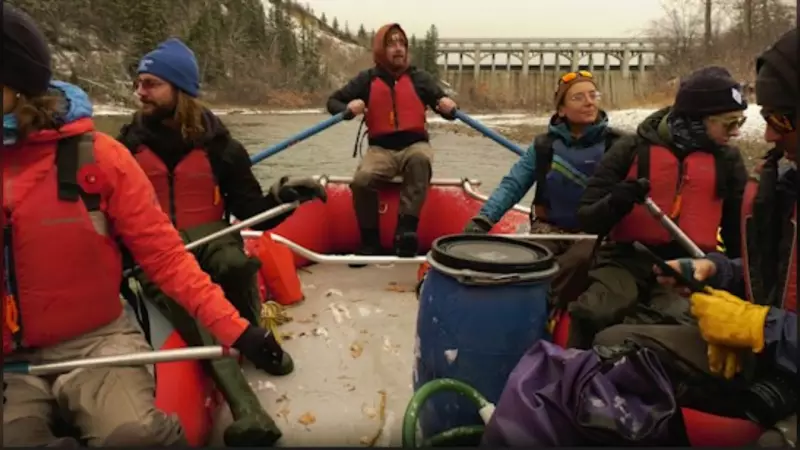
In an inspiring display of community environmental stewardship, dedicated citizen scientists are taking to the waters of Calgary's Elbow River to conduct vital research on brown trout populations and overall river health.
Tracking Trout Nests for Ecosystem Insights
The volunteer-driven initiative focuses on monitoring brown trout spawning activities, particularly their nesting sites known as redds. These underwater nests serve as crucial indicators of river health and provide valuable data about the success of fish reproduction cycles.
Brown trout represent one of the principal sport fish species in the Bow River system, with a significant portion of the population migrating up the Elbow River from the confluence at Glenmore Dam. This movement pattern makes the Elbow River an essential habitat for maintaining healthy trout populations throughout the region.

Community Science in Action
Equipped with waders and scientific instruments, local volunteers methodically document trout behavior and nesting locations while collecting water quality samples. Their efforts contribute to a comprehensive understanding of how urban development and seasonal changes impact aquatic ecosystems.
The program, which began systematic monitoring in recent years, represents a growing trend of community involvement in environmental conservation. Regular data collection occurs throughout the spawning season, providing researchers with consistent information about population trends and habitat quality.
Broader Implications for Water Management
Findings from these citizen science efforts inform municipal water management strategies and conservation policies. The health of trout populations directly reflects the overall condition of Calgary's river systems, which serve as drinking water sources and recreational areas for thousands of residents.
As climate patterns shift and urban pressures increase, these volunteer monitoring programs become increasingly valuable for early detection of environmental changes. The data collected helps identify potential threats to water quality before they escalate into more significant ecological problems.
The continued dedication of Calgary's citizen scientists demonstrates how community engagement can drive meaningful environmental protection efforts while building stronger connections between residents and their natural surroundings.