Calgary Water Usage Climbs Back into Critical Zone Amid Feeder-Main Repairs
Calgary residents have once again pushed daily water consumption above the critical 500-million-litre mark, abruptly ending the city's latest conservation streak after just a couple of days. This resurgence in water usage comes as repair work on a major feeder-main approaches the halfway point, highlighting the ongoing tension between infrastructure maintenance and public consumption patterns.
Conservation Streak Cut Short
On Wednesday, March 19, 2026, Calgary's water usage crept back into what officials term the "red zone," surpassing the 500-million-litre threshold that triggers conservation concerns. This development follows a brief period of reduced consumption that had given municipal authorities hope that residents were heeding calls for water conservation during critical infrastructure repairs.
The timing is particularly significant as crews working on the feeder-main project have now completed approximately 50% of the necessary repairs. This major water transmission line serves as a crucial artery in Calgary's municipal water system, and its partial operation has placed additional strain on the city's remaining water infrastructure.

Infrastructure Challenges and Public Response
The feeder-main repair project represents one of Calgary's most significant municipal infrastructure undertakings in recent years. These large-diameter pipes are essential for transporting treated water from treatment facilities to distribution networks throughout the city. With one of these critical components operating at reduced capacity, the entire system becomes more vulnerable to fluctuations in consumer demand.
"Every litre saved during this period directly supports our repair efforts and helps ensure consistent water service for all residents," explained a city water services representative. "When consumption spikes like this, it puts additional pressure on our already strained system."
Municipal officials had implemented a public awareness campaign urging residents to:
- Limit outdoor water use, including lawn watering and car washing
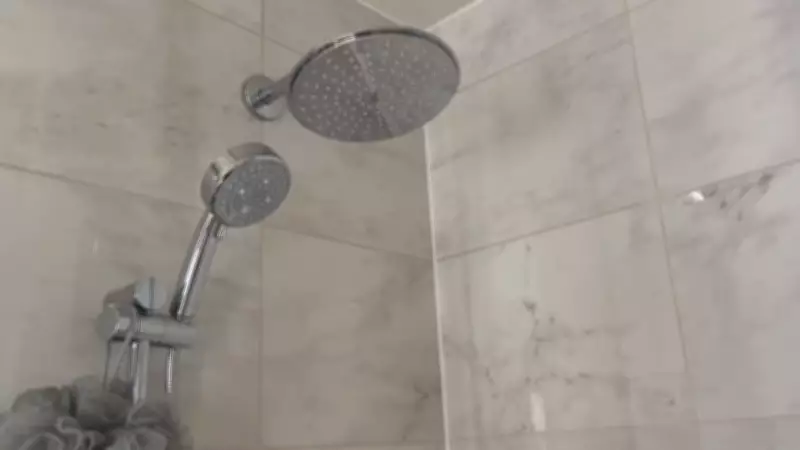
- Take shorter showers and reduce bath water usage
- Run dishwashers and washing machines only with full loads
- Fix any household leaks promptly
The Path Forward
With the feeder-main repair project now at its midway point, city engineers anticipate several more weeks of work before the system can return to full operational capacity. During this period, Calgary's water services department will continue monitoring consumption patterns closely and may implement additional conservation measures if usage remains elevated.
The recent spike in water consumption serves as a reminder of the delicate balance between municipal infrastructure maintenance and public resource usage. As Calgary continues to grow and its water infrastructure ages, such repair projects are likely to become more frequent, requiring sustained public cooperation during critical maintenance periods.
City officials emphasize that while the feeder-main repairs progress steadily, continued public vigilance regarding water conservation remains essential to prevent potential service disruptions and ensure the long-term reliability of Calgary's water supply system.