Alberta's Water Infrastructure Crisis Demands Provincial Action
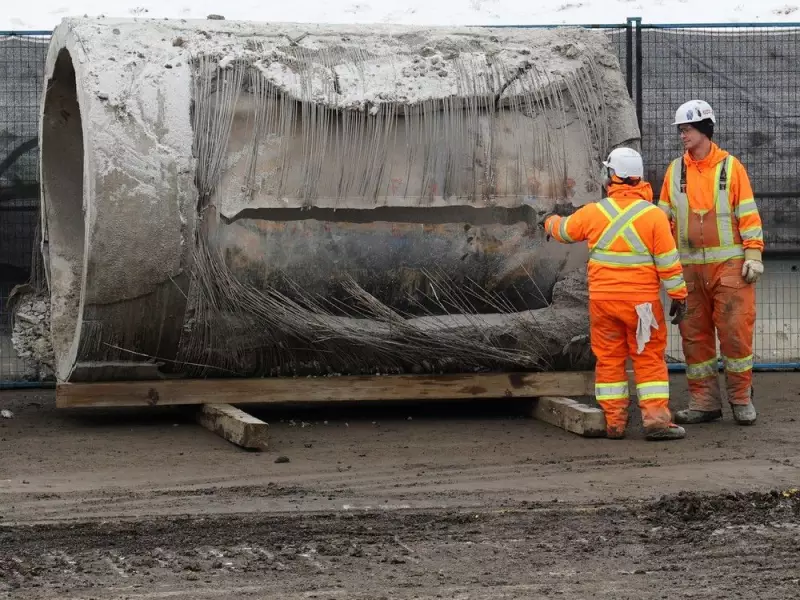
The recent water main crisis in Calgary has served as a stark wake-up call for Albertans, revealing the fragile state of municipal water and wastewater systems across the province. While the Bearspaw South feeder main rupture captured national attention due to its impact on 1.6 million residents, this incident represents just one symptom of a much broader infrastructure challenge facing communities throughout Alberta.
Widespread Vulnerabilities Across Municipalities
Calgary's emergency repair situation is far from unique. Multiple Alberta communities including Beiseker, Cochrane, Edmonton, Lethbridge, and Three Hills have all experienced significant water or wastewater system emergencies within the past three years. These incidents, though less publicized than Calgary's crisis, have imposed substantial financial, social, and environmental costs on affected communities.
Through extensive conversations with municipal leaders, Alberta Municipalities' board of directors has identified water and wastewater infrastructure as the most pressing issue facing local governments today. Municipal leaders consistently report that without adequate infrastructure investment, they cannot support current population growth or maintain essential services for their residents.

The Funding Gap and Its Consequences
Alberta's remarkable population growth has not been matched by proportional investment from provincial or federal governments. Municipalities find themselves stretched thin as they attempt to replace aging pipes, expand capacity for new development, and maintain basic services without imposing excessive tax burdens on residents.
This funding shortfall has led to widespread deferred maintenance—a short-term necessity that creates significant long-term risks. Each year that essential repairs are postponed allows small leaks to multiply, systems to deteriorate more rapidly, and eventual repair costs to escalate dramatically.
Cascading Risks and Difficult Choices
Calgary's water crisis demonstrates how a single infrastructure failure can trigger widespread economic and social disruption. If such failures can occur in Alberta's largest and best-resourced city, smaller communities with limited staff and budgets face even greater vulnerabilities.
Municipal leaders report being forced to make increasingly difficult trade-offs, often delaying critical water projects to fund other essential needs like road maintenance. This creates an untenable situation where critical infrastructure investments compete against other critical infrastructure requirements.
The Path Forward Requires Collaborative Solutions
Alberta municipalities continue to demonstrate responsible stewardship of existing infrastructure through careful planning, prudent asset management, and wise allocation of available funds. However, these efforts alone cannot address the systemic challenges facing water systems across the province.
The solution requires enhanced support and dedicated funding from both provincial and federal governments. By working collaboratively with municipalities, senior governments can help ensure that Alberta's water infrastructure receives the investment necessary to support current needs and future growth while protecting communities from potentially catastrophic failures.
As Alberta continues to grow and develop, proactive investment in water infrastructure represents not just a practical necessity but a fundamental responsibility to safeguard public health, economic stability, and environmental protection for all residents.