Windsor's Green Bin Initiative Reaches 20% Waste Diversion Milestone After Five Months
The City of Windsor's recently launched green bin program has achieved a notable environmental milestone, successfully diverting 20% of organic waste from landfills within the first five months of its implementation. This significant progress demonstrates the community's rapid adoption of the new waste management system and its commitment to sustainable practices.
Program Implementation and Early Success
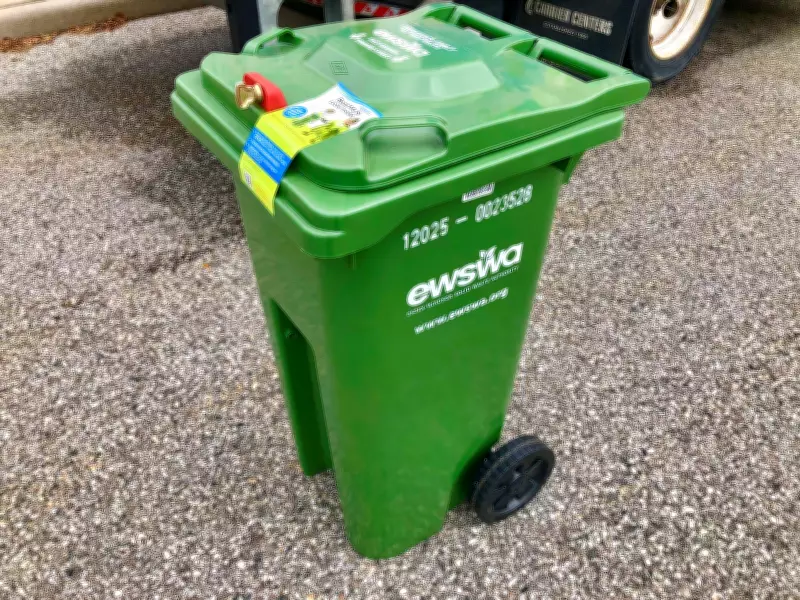
Windsor introduced the green bin program in late 2025 as part of a comprehensive strategy to reduce landfill waste and promote environmental stewardship. The initiative provides residents with specialized containers for collecting organic materials such as food scraps, yard waste, and other biodegradable items that would otherwise contribute to landfill accumulation.
The 20% diversion rate achieved within just five months represents a substantial accomplishment for a municipal program in its initial phase. This early success suggests strong community participation and indicates that Windsor residents are actively embracing the opportunity to contribute to waste reduction efforts.

Environmental Impact and Future Goals
Organic waste diversion programs like Windsor's green bin initiative serve multiple environmental purposes. By redirecting biodegradable materials from landfills, the city reduces methane emissions—a potent greenhouse gas produced during organic decomposition in oxygen-deprived landfill environments. Additionally, the collected organic materials can be processed into valuable compost or renewable energy sources, creating a circular economy for waste management.
Municipal officials have expressed optimism about the program's trajectory, noting that the 20% diversion rate achieved in the first five months provides a solid foundation for future growth. Many successful waste diversion programs experience gradual increases in participation rates as residents become more familiar with proper sorting techniques and recognize the environmental benefits of their efforts.
Community Response and Program Features
The green bin program's design incorporates several features to facilitate resident participation:
- Convenient collection schedules aligned with existing waste management services
- Educational resources about acceptable materials for green bins
- Specialized containers designed to minimize odors and pest attraction
- Integration with broader municipal sustainability initiatives
This comprehensive approach has contributed to the program's early success, with many Windsor households reportedly incorporating green bin use into their regular waste management routines. The 20% diversion milestone suggests that a substantial portion of the community has embraced the program despite its relatively recent introduction.
Broader Context and Municipal Planning
Windsor's green bin initiative aligns with broader provincial and national efforts to reduce landfill waste and promote sustainable resource management. Many Canadian municipalities have implemented similar programs with varying degrees of success, often finding that organic waste represents one of the largest components of residential garbage that can be effectively diverted through proper collection and processing.
The program's early performance data will likely inform future municipal planning decisions regarding waste management infrastructure, educational outreach, and potential expansion of diversion initiatives. As Windsor continues to monitor the green bin program's effectiveness, the 20% diversion rate achieved in the first five months establishes a promising baseline for measuring ongoing progress toward the city's environmental sustainability objectives.