Eight Arrested in Brazil for Brutal Attack on Capybara
In a disturbing incident that has sparked outrage, Brazilian police have arrested eight people in connection with a violent attack on a capybara, a large rodent native to South America. The assault, described as "brutal" by authorities, occurred recently and highlights persistent issues of wildlife crime and animal cruelty in the country.
Details of the Incident and Arrests
According to reports, the attack involved multiple individuals who allegedly targeted the capybara, causing severe injuries. Law enforcement officials moved swiftly to apprehend the suspects, who now face charges related to animal abuse and environmental violations. The arrests were made following an investigation that included witness statements and evidence gathered at the scene.
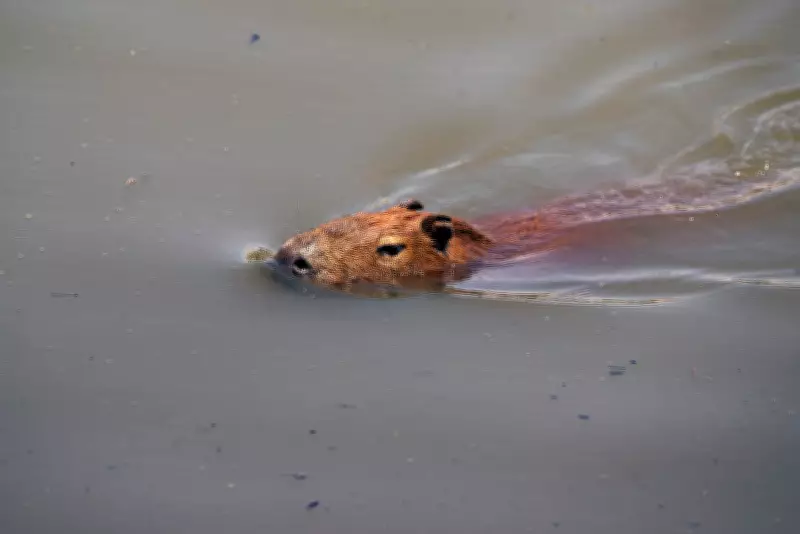
This case brings attention to the broader challenges of protecting wildlife in Brazil, where species like the capybara often face threats from human activities. Capybaras are semi-aquatic mammals commonly found in regions such as the Pantanal and Amazon, but they also inhabit urban areas like Sao Paulo, where they sometimes come into conflict with residents.

Environmental Context and Public Reaction
The incident has reignited discussions about environmental degradation and conservation efforts in Brazil. In recent years, pollution and habitat loss have impacted wildlife populations, with rivers like the Pinheiros in Sao Paulo suffering from severe contamination due to sewage and waste discharges. This has forced animals like capybaras to adapt to increasingly hostile environments, making them more vulnerable to such attacks.
Public outcry has been significant, with many Brazilians expressing shock and anger over the cruelty displayed. Animal rights groups have called for stricter enforcement of laws against wildlife crime, emphasizing the need for education and awareness to prevent similar incidents. The arrests are seen as a step toward accountability, but advocates argue that more must be done to address root causes, including poverty and lack of environmental stewardship.
Legal and Conservation Implications
Brazil has laws in place to protect wildlife, such as the Environmental Crimes Law, which penalizes acts of animal cruelty with fines and imprisonment. However, enforcement can be inconsistent, especially in remote or urban fringe areas. This case may prompt authorities to review and strengthen measures to safeguard vulnerable species.
Conservationists note that capybaras play a crucial role in their ecosystems, helping to maintain wetland health through their grazing habits. Attacks like this not only harm individual animals but can also disrupt local biodiversity. Efforts to clean up polluted waterways and restore habitats are ongoing, but incidents of violence underscore the urgency of these initiatives.
As the legal process unfolds, the eight suspects await trial, with potential sentences that could include jail time. The case serves as a stark reminder of the importance of respecting wildlife and the consequences of failing to do so in a country rich with natural heritage.