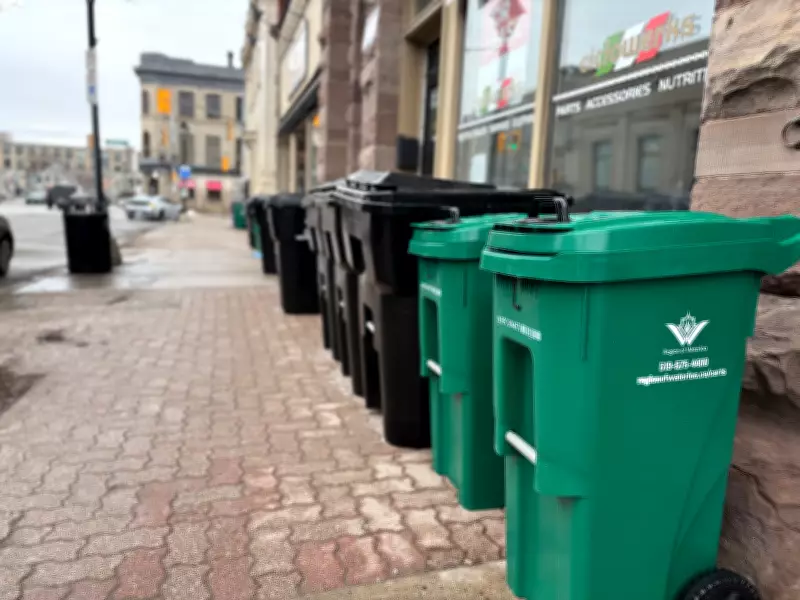
Downtown Waterloo Businesses Decry 'Eyesore' Waste Carts as Image Threat
In the heart of Waterloo Region, a new municipal initiative has sparked significant discontent among local business owners. The introduction of standardized waste collection carts in downtown Cambridge is being met with sharp criticism, with merchants labeling the containers as visual blights that detract from the area's commercial charm and pedestrian appeal.
Business Backlash Over Aesthetic Concerns
According to reports from CTV News, numerous proprietors along Frederick Street and other central corridors have voiced strong objections to the rollout of these carts. They argue that the bulky, utilitarian bins clutter sidewalks, obstruct storefront visibility, and create an unwelcoming atmosphere for customers. "These carts are an absolute eyesore," one boutique owner stated anonymously, emphasizing that the accumulation of waste containers during collection days undermines the carefully curated aesthetic that downtown businesses strive to maintain.
The criticism extends beyond mere appearance. Several entrepreneurs have expressed concerns that the presence of these carts could negatively impact foot traffic, as potential shoppers might be deterred by the perceived messiness and lack of aesthetic cohesion. This issue is particularly pressing for retailers who rely on impulse purchases and walk-in customers, as any factor that reduces pedestrian engagement directly affects their bottom line.

Municipal Implementation and Regional Context
The waste cart program is part of Waterloo Region's broader strategy to modernize waste management and increase recycling efficiency. Officials have highlighted the environmental benefits of standardized collection, including reduced litter and improved sorting of recyclables. However, the implementation in dense urban areas like downtown Cambridge has exposed a rift between policy objectives and practical on-the-ground realities.
Similar programs have been rolled out in other parts of the region with mixed reception. While suburban neighborhoods have generally adapted well, the compact layout and high visibility of downtown cores present unique challenges. Business owners are calling for more nuanced solutions, such as designated collection points away from main shopping thoroughfares or streamlined containers that blend better with urban design.
Broader Implications for Urban Planning
This controversy underscores a recurring tension in municipal governance: balancing functional infrastructure with community aesthetics. As cities increasingly prioritize sustainability and efficient service delivery, the visual and social impacts of these initiatives cannot be overlooked. The situation in Cambridge serves as a case study in how top-down policies can clash with local business interests, prompting calls for greater consultation and adaptive planning.
Moreover, the debate touches on larger themes of downtown revitalization and economic vitality. Many businesses have invested heavily in creating attractive, inviting spaces to draw customers back to city centers in the post-pandemic era. They argue that unsightly waste management infrastructure undermines these efforts, potentially stalling the recovery of commercial districts that are already facing challenges from online retail and changing consumer habits.
As the discussion continues, Waterloo Region officials are likely to face increased pressure to revisit the program's implementation in sensitive areas. The outcome could set a precedent for how municipalities across Canada approach the integration of essential services with urban design and business community needs.