Essex County Officials Address Public Concerns Over Green Bin Program Implementation
Despite facing significant public backlash regarding the financial aspects of their newly implemented organic waste recycling initiative, Essex County council members remain steadfast in their support for the green bin program. During a recent council meeting, officials attributed much of the community frustration to what they described as widespread misinformation circulating about program costs.
Program Details and Municipal Participation
The provincially mandated organic waste collection program, which launched in October across Windsor, Essex, Lakeshore, LaSalle, and Tecumseh, represents a significant shift in municipal waste management strategy. Leamington, Amherstburg, and Kingsville are scheduled to join the program in October of this year, completing county-wide implementation. County administrators presented detailed reports during Wednesday's session aimed at clarifying funding mechanisms and reinforcing public understanding of the program's long-term benefits.
Financial Implications and Cost Recovery
According to Essex County estimates, establishing a new local landfill site would carry an approximate price tag of $700 million—a substantial financial burden that the green bin program aims to mitigate through waste diversion. The Essex-Windsor Solid Waste Authority (EWSWA) has projected 2026 operational costs for the organic recycling initiative at $19.9 million, with fixed-cost allocations of just under $11 million for Windsor and $7.1 million for Essex County.

Additional processing fees totaling $1.8 million will contribute to cost recovery. While Windsor plans to fund its portion through capital reserves for 2026, Essex County has adopted a hybrid model that will see participating residents billed between $154 and $161 annually for full-year program access.
Environmental Benefits and Waste Diversion Success
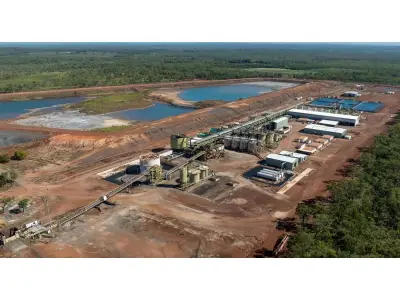
The program's environmental advantages extend beyond simple landfill preservation. Organic materials collected through the green bin system are processed at anaerobic digestion facilities, where they undergo decomposition to produce renewable energy and agricultural fertilizer. This dual-purpose approach transforms what would otherwise be landfill waste into valuable resources for the community and local farming operations.
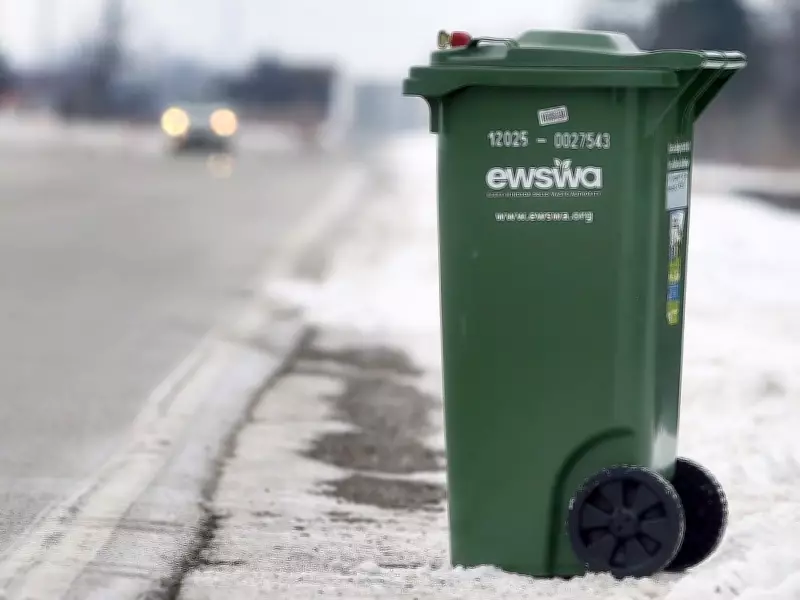
Early implementation metrics demonstrate promising results, with approximately 120,000 green bins distributed throughout Windsor and Essex County to date. The EWSWA reports that the program has already diverted roughly 3,000 metric tonnes of organic material from landfills—equivalent to the volume of 60 NHL hockey arenas. This diversion translates directly into reduced garbage tipping fees for participating municipalities.
Addressing Public Communication Challenges
Essex Deputy Mayor Rob Shepley acknowledged the communication difficulties surrounding program costs, noting that "phones started blowing up, emails were going across" when financial details became public knowledge. He emphasized that municipal representatives across various levels have worked diligently to address constituent concerns with accurate information.
The county has enhanced its public information resources, including an updated frequently asked questions section on their official website that outlines program origins and detailed cost breakdowns for taxpayers. Despite the vigorous public discussion during Wednesday's council session, no modifications to the existing program structure are currently under consideration.
County officials maintain that the short-term financial investments required for the green bin initiative represent a prudent long-term strategy for waste management, environmental sustainability, and fiscal responsibility across Essex County communities.