In a significant community-driven initiative, Park People, an organization dedicated to championing city parks across Canada, is actively inviting Toronto residents to share their ideas on how to improve the city's green spaces. This effort comes at a crucial time when appreciation for parks has surged, particularly following the COVID-19 pandemic.
Heightened Appreciation for Parks Post-Pandemic
According to research from the University of Toronto's School of Cities, the use of parks nearly doubled during the 2020-21 COVID-19 outbreak. This increased reliance on outdoor spaces has underscored their vital role in urban life. Natalie Brown, senior director of Park People, observes that in the wake of the pandemic, "our green spaces have become even more important to us." This sentiment is driving the current push for public input to make Toronto's parks more welcoming and functional.
Exhibit and Community Feedback
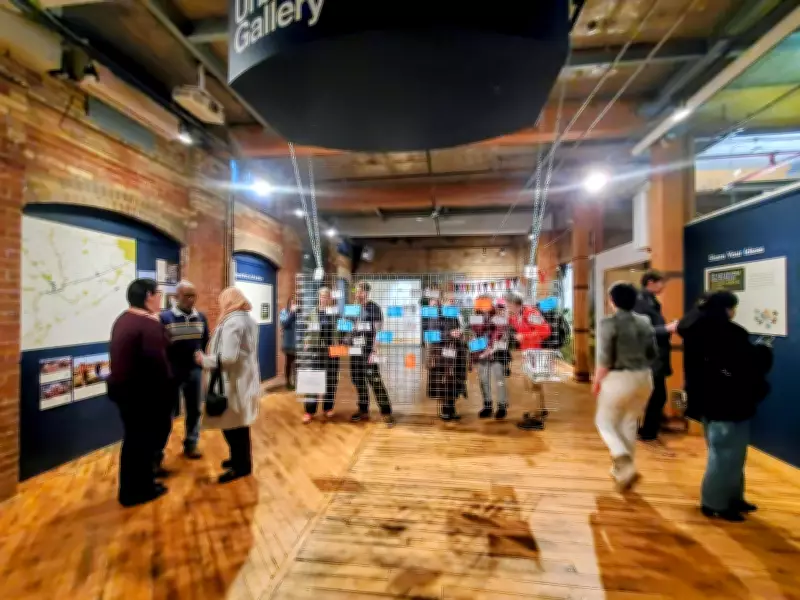
The initiative is centered around an exhibit titled "Start at the Park: Reimagining Toronto's Public Spaces, 2010–2030," hosted at the Urban Space Gallery. Since its establishment in 2011, Park People has collaborated with park leaders nationwide, and this Toronto-specific exhibit highlights community-led projects from the past 15 years while soliciting new suggestions. Brown reports that they have already received hundreds of ideas from residents.

Key themes emerging from the feedback include a strong desire for enhanced social connections. Residents are expressing a "hunger for more heating and shelter and bake ovens and fire pits and cafes and places where people can spend time together," Brown shares. Additionally, meeting essential needs such as more washrooms is a priority, reflecting gaps in infrastructure compared to other global cities.
Addressing Urban Challenges
With the Greater Toronto Area's population surpassing seven million in 2024 and a high percentage living without private green space, the demand for accessible and well-equipped parks is critical. Brown notes that increased screen time and reduced physical activity are contributing to mental health challenges, making parks even more essential. Suggestions have included adding more native plant gardens and educational opportunities about trees within existing parks.
Demographically, the input has been diverse, with a significant influx of contributions from children during March break and many suggestions from people in their 20s seeking affordable and realistic enhancements, such as community events. Brown emphasizes that Toronto faces distinct challenges: downtown areas lack sufficient park space due to population growth, while other regions like Etobicoke need improvements in accessibility, including better entrances, amenities, and wayfinding in ravine lands.
Creative Suggestions and Future Plans
Among the more innovative ideas proposed by residents are free rental programs for park equipment, inspired by initiatives like basketball dispensers in Vancouver parks. Other suggestions include picnic blanket programs and increased public artwork, similar to interactive sculptures in the Beaches neighbourhood. Brown poses the overarching question: "Could you find some way to just exchange those kinds of things and have people, especially if they don't have a car, not to be lugging all that gear with them to the park?"
The exhibit will run through April 25, after which Park People plans to take it on the road to various park events throughout the summer and fall. All feedback will be tallied and compiled into a public report ahead of the municipal election later this year, aiming to influence future park policies and investments.
This initiative not only empowers residents to shape their urban environment but also highlights the evolving role of parks as hubs for community, wellness, and sustainability in a rapidly growing city.